The ADU construction process has emerged as a crucial path to addressing housing affordability and urban density. As cities grapple with the challenge of accommodating growing populations, adding Accessory Dwelling Units (ADUs) offers a viable solution. However, navigating the complexities of this process can be daunting for property owners. This article examines the common challenges encountered during ADU construction, from legal hurdles, such as Zoning Laws and Building Permits, to practical considerations like design, budget, and community impact. We provide actionable insights and expert guidance to help property owners successfully overcome these challenges, ensuring a smoother ADU construction process.
- Planning Phase Pitfalls: Setting Realistic Expectations
- Permitting and Code Compliance: Navigating Regulations
- Structural Integration: Seamless Addition to Existing Home
- Utility and Plumbing Hiccups: Streamlining Services
- Finishing Touches: Quality Assurance for Optimal Living
Planning Phase Pitfalls: Setting Realistic Expectations
The planning phase of any construction project, especially adu construction process, is critical for setting the tone and managing expectations. While the idea of adding an emergency ADU building can be appealing, especially for those seeking affordable housing solutions, the reality can be complex. Many property owners underestimate the time, resources, and potential regulatory hurdles involved, leading to delays and budget overruns.
One of the primary challenges during this stage is navigating adu construction reviews and local zoning laws. Every municipality has its own set of regulations regarding accessory dwelling units, and understanding these is essential. Property owners might discover that their neighborhood or property association has strict rules about ADU placement, size, or aesthetic considerations. A property owner in a densely populated area might find that the local building department requires a specific design that aligns with the surrounding architecture, adding a layer of complexity to the initial planning.
Setting realistic expectations requires engaging with professionals who have experience in affordable ADU construction. Contractors and architects who specialize in this field can provide valuable insights. They can help property owners assess the feasibility of their project, considering factors like site suitability, local market trends, and potential permits required. A contractor might advise on the best use of space, whether a garage conversion or a detached unit, based on the property's characteristics. By involving experts early in the adu construction process, homeowners can avoid costly mistakes and ensure their project aligns with both their needs and local regulations.
Permitting and Code Compliance: Navigating Regulations
The ADU construction process involves navigating a complex web of regulations, which can be a significant obstacle for many property owners. Permitting and code compliance are critical aspects that often require professional guidance. The process begins with understanding the local building departments and zoning laws, which vary widely from city to city. In many areas, a building permit is essential for any structural changes, including ADUs. This step can be particularly challenging due to the stringent requirements and lengthy approval times. Some cities mandate detailed architectural plans and specific safety measures, demanding a thorough understanding of local codes.
Common adu construction mistakes often arise from a lack of knowledge about these regulations. Unlicensed contractors or do-it-yourselfers might struggle to meet code standards, leading to costly rework. To streamline the process, engaging professional adu construction services is highly recommended. These services include licensed adu contractors who are well-versed in local laws and can ensure your project complies with all necessary regulations. They can assist in obtaining the required permits and provide valuable expertise throughout the ADU construction process. By leveraging their industry connections, these professionals can also help navigate any complex requirements set by property owners associations (POAs).
Effective communication with local building departments and staying updated on code changes are key to a successful ADU project. Property owners should actively seek referrals from reliable sources, such as online reviews and local trade associations, to find contractors who prioritize code compliance. This proactive approach ensures that the ADU is not only legally sound but also meets the highest standards of quality and safety. By addressing these regulatory challenges head-on, you can transform your property with an ADU that adds both value and functionality without running afoul of local laws.
Site Preparation Challenges: Ensuring Solid Foundation

Site preparation is a crucial yet often overlooked aspect of ADU construction, as it lays the foundation for the entire project. One of the primary challenges in this phase is ensuring a solid, stable base, especially in areas prone to seismic activity or varying soil conditions. A simple mistake in grading or foundation work can lead to costly repairs down the line.
In regions with loose, shifting soils, proper soil analysis and engineering are essential. This may involve installing deep foundations or specialized piles to secure the ADU against potential ground movement. The process for such sites requires careful planning and often demands additional permits and inspections to meet safety standards. Engaging experienced local contractors who understand the unique challenges of sustainable ADU construction practices in your area is key. They can guide you through the necessary steps, ensuring your ADU is built to last.
Another common challenge is navigating the regulatory landscape. Local building departments and zoning laws vary widely, and adhering to them is non-negotiable. Property Owners Associations (POAs) may also have restrictions or guidelines that must be followed. This often requires meticulous record-keeping and communication with relevant authorities, which can extend the planning phase. However, with meticulous preparation and the right team, these challenges can be successfully navigated. Understanding the local market trends and construction costs through resources like the adu construction cost guide is also beneficial.
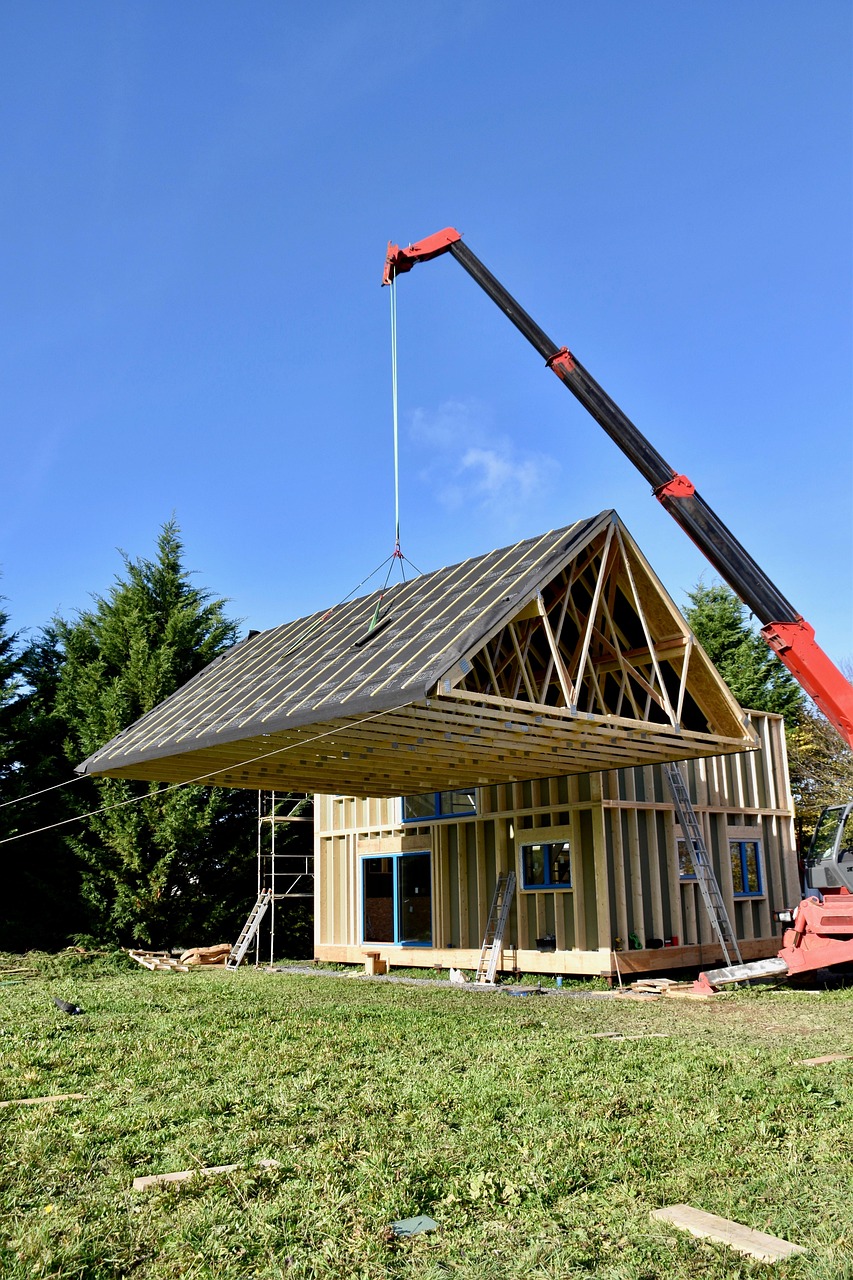
Rapid construction is another trend in ADU development, with some projects aiming for same-day installations. While this may be appealing, it requires meticulous planning and efficient execution to ensure quality and safety. The rush to complete construction quickly should never compromise the integrity of the foundation or other critical structural elements. Prioritizing a solid foundation and adhering to a thoughtful process will ultimately lead to more durable and valuable additions.
Structural Integration: Seamless Addition to Existing Home
Integrating a new Accessory Dwelling Unit (ADU) into an existing home requires careful structural consideration for a seamless addition. This process involves understanding the home's existing framework, load-bearing walls, and potential modifications to ensure the safety and structural integrity of the entire building. One of the most significant challenges is matching the new unit's construction to the host property's architecture and structural capabilities.
An ADU conversion from a garage into a living space necessitates a thorough assessment of the garage's structural components. The ADU builder must determine if the existing walls, floor, and roof can support the new unit's load or if reinforcement is required. This is a critical step in the process, as it prevents potential collapse risks and ensures the new space meets local building codes. The cost of this structural evaluation and any necessary reinforcement can vary significantly based on the project's scope, with ADU builder costs averaging between $2,000 and $5,000. Comparing quotes from multiple builders is essential to finding a cost-effective solution without compromising structural integrity.
When designing an ADU for multi-family homes, structural integration becomes even more complex. Proper load distribution and connection to the main structure are vital to prevent damage during earthquakes or other natural events. Architects and engineers play a crucial role in these projects, ensuring the ADU is securely attached and reinforced. Using eco-friendly materials, like engineered wood or steel, can enhance structural stability while aligning with modern design preferences and local environmental regulations.
Throughout the process, local building departments and property owners associations (POAs) provide guidelines and approval processes. Zoning laws and building permits must be understood and obtained before any construction begins. Online reviews and local trade associations offer valuable insights into reputable builders and their past projects, helping property owners make informed decisions. Financial institutions can also guide property owners through the process, offering construction loans or financing options tailored to ADU projects.
Utility and Plumbing Hiccups: Streamlining Services
In the intricate process, utility and plumbing installations often present unique challenges, causing delays and adding complexity, especially in maximizing adu rental income. Professional adu construction services streamline these services by centralizing and coordinating these critical aspects, ensuring seamless integration with the overall renovation.
One of the primary hurdles is navigating local utilities and their respective regulations. Each utility-water, gas, electric-has its own installation requirements and guidelines. A reliable adu renovation service will coordinate with the local water authority to ensure proper water line connections, avoiding costly mistakes. They'll also handle permits and inspections, ensuring compliance with zoning laws and building codes, a crucial step in avoiding future legal issues.
To maximize efficiency, top services employ specialized plumbers and electricians who are adept at navigating confined spaces and complex configurations, especially in garage conversions. They employ advanced tools and technology, like smart flow meters for water conservation and energy-efficient plumbing fixtures, to reduce installation times and lower operating costs for tenants. By centralizing utility services, these professionals can shorten project timelines, reduce disruptions, and enhance the overall property value, making it more attractive for rental.
Finishing Touches: Quality Assurance for Optimal Living
As the final stage of any Process, quality assurance for finishing touches is paramount. This is especially crucial when converting a garage into an ADU, as it transforms from a functional space to a living area. The goal is to ensure the new unit meets not only structural but also aesthetic and comfort standards, aligning with the vision of the property owner.
One of the challenges in this phase is coordinating with multiple stakeholders, especially in multi-family homes. The ADU conversion from garage process can be streamlined by establishing clear communication channels between property owners, contractors, and local building departments. Regular site visits and detailed inspection reports are essential tools to catch and rectify issues early. Ensuring proper insulation and air sealing in the walls and roof is vital for energy efficiency, and any defects can significantly impact future livability.
Same-day ADU installation, while efficient, demands meticulous planning and skilled execution. Contractors must adhere to strict quality control measures to maintain the integrity of the construction. Online reviews and local trade associations can be invaluable resources for selecting reputable professionals who understand the nuances of the process. Financial institutions, too, can provide insights into the latest construction cost databases, helping property owners make informed decisions and budget accordingly. By integrating these practical considerations, the final product-whether a standalone ADU or an addition to a multi-family home-will not only meet but exceed expectations.
Frequently Asked Questions About ADU Construction 102: Common Challenges and How to Overcome Them
What is an ADU and why is it a popular investment option? An Accessory Dwelling Unit (ADU) is a secondary residential structure built on an existing property, offering a separate living space for tenants. Its popularity arises from the potential for passive income, property value increase, and providing space for family or guests. ADUs are especially lucrative in urban areas where land is scarce and rental demand is high.
What are the common legal and regulatory hurdles for ADU construction? Local zoning laws and building codes significantly impact ADU feasibility. Permits and inspections are mandatory, and regulations vary widely. Ensuring compliance with building codes, fire safety, and accessibility standards can be complex. Consulting with a local planning department and a licensed contractor familiar with ADU regulations is crucial to avoid delays and penalties.
How do I choose the right location for my ADU investment? Location is key. Consider neighborhoods with high rental demand, good access to amenities, and potential for growth. Factoring in proximity to schools, public transport, and employment hubs can enhance property value. Researching local demographics and rental market trends will help identify areas with consistent tenant demand and minimal vacancy rates.
What are the structural considerations for ADU construction? ADUs must be structurally sound and safe. They should be adequately supported, with proper foundation and framing. Incorporating adequate insulation, ventilation, and plumbing systems is essential. Some areas mandate specific construction techniques or materials to ensure earthquake resistance. Consulting with engineers and builders experienced in ADUs can help navigate these requirements.
How can I ensure the financial viability of my ADU project? Financial planning is vital. Consider the total cost of construction, including labor, materials, and permits. Estimate rental income based on local market rates and potential occupancy. A thorough cost-benefit analysis, considering potential returns over the property's lifespan, will help gauge the project's financial success. Consulting with a financial advisor specializing in real estate investments can provide valuable insights.
Throughout this practical guide on ADU construction, we've navigated the entire process, from initial planning to the final finishing touches. We've highlighted common challenges and their practical solutions, ensuring that readers are equipped to tackle potential pitfalls head-on. Key insights include the importance of realistic expectation setting during the planning phase, navigating complex permitting and code compliance processes, and addressing site preparation issues for a solid foundation. Understanding structural integration, streamlining utility and plumbing services, and maintaining quality assurance throughout are essential steps for a successful ADU project. By embracing these strategies, property owners can ensure their Process is seamless, compliant, and ultimately, a valuable addition to their living space.
The process involves complex planning, from understanding local zoning laws and permitting to site preparation and structural integration. Property owners should engage professionals early to navigate regulations, with contractors specializing in ADUs providing valuable guidance. Site preparation, especially in areas with seismic activity or varying soils, requires careful analysis and engineering to ensure a stable foundation. The process involves meticulous record-keeping, careful structural evaluation, and adherence to building codes. For garage conversions, coordinating with stakeholders and ensuring quality assurance are crucial. Efficient same-day installations demand skilled execution and adherence to quality control. Online reviews, local trade associations, and financial institutions offer valuable resources throughout the process.