The surge in demand for affordable housing has led to a renewed focus on Accessory Dwelling Units (ADUs) as a sustainable solution. However, the environmental impact of ADU construction is often overlooked, despite its potential to contribute to a greener future. This article examines the intricate aspects of the adu construction process, exploring its environmental footprint at every stage. From navigating local zoning laws and selecting eco-friendly materials to minimizing community disruption, we provide a practical guide to ensure that ADU development aligns with sustainable practices. By understanding and mitigating these impacts, we can harness the power of ADUs to create more livable, environmentally conscious communities.
- Understanding ADU's: Key to Sustainable Urban Growth
- Environmental Benefits: Reduced Carbon Footprint Through ADU
- Sustainable Materials: Choosing Eco-Friendly Options in ADU Construction
- Efficient Space Utilization: Maximizing ADU's Positive Impact on Land
- Energy-Efficient Design: Creating Comfortable, Eco-Conscious ADUs
- Local Regulations & Permitting: Navigating Green ADU Implementation
Understanding ADU's: Key to Sustainable Urban Growth
The Environmental Impact of ADU Construction: A Sustainable Approach hinges on understanding the key role Additional Dwelling Units (ADUs) play in fostering sustainable urban growth. As cities face the challenge of accommodating growing populations while minimizing environmental footprints, ADUs offer a cost-effective solution. The adu construction process involves careful planning and execution, leveraging existing structures to create new living spaces. Many property owners opt for ADU remodels, transforming garages into rentable units, thereby maximizing adu rental income and contributing to the local housing market.
This approach is especially beneficial in areas where land is scarce and real estate prices are high. By repurposing underutilized spaces, such as garages or unused alleys, ADU construction reduces the demand for new land development, preserving natural habitats and open spaces. It aligns with the broader goal of sustainable urban design by minimizing the environmental impact of new construction. For property owners considering an ADU conversion, engaging reputable local contractors and designers is crucial. These professionals can guide through the zoning laws and building permit requirements, ensuring compliance with local regulations, particularly those related to environmental considerations.
The choice of materials is another critical aspect of making ADU construction environmentally friendly. Utilizing eco-friendly materials and energy-efficient design strategies can significantly reduce the carbon footprint of a project. Online construction cost databases and local market trends can help property owners make informed decisions about materials and contractors. By embracing cost-effective ADU remodels, property owners not only enhance their living spaces but also contribute to a more sustainable and resilient urban future.
Environmental Benefits: Reduced Carbon Footprint Through ADU
Reducing a building's carbon footprint is a significant aspect of sustainable construction, and ADU (Accessory Dwelling Unit) construction offers a unique opportunity to achieve this. The environmental benefits of ADUs extend beyond energy efficiency and resource conservation, making them a valuable addition to any community looking to embrace eco-friendly practices. One of the most impactful ways ADUs can contribute to a reduced carbon footprint is by encouraging more people to live in closer proximity to one another.
By maximizing the use of existing space, ADUs can help densify urban areas, potentially reducing the need for new, larger homes. This process can lower overall construction and land development impacts, as well as minimize the energy required for transportation. A family opting for an ADU over a larger standalone house means fewer car trips for daily commutes, leading to a lower carbon footprint. The adu construction process can integrate smart design strategies to further enhance these benefits. Unique ADU design ideas, such as utilizing natural lighting and ventilation, can create energy-efficient spaces that require less artificial heating and cooling.
When selecting an ADU builder, it's crucial to consider their commitment to sustainable practices and the quality of their work. Online reviews and ratings provide valuable insights into a builder's reputation, including their use of eco-friendly materials and adherence to green building standards. Some of the best adu builders near me prioritize using locally sourced, recycled, or low-emission materials. By carefully evaluating builder credentials and client feedback, property owners can ensure their ADU is constructed with an eye towards minimizing its environmental impact. This not only contributes to a healthier planet but can also lead to long-term cost savings for the homeowner.
Sustainable Materials: Choosing Eco-Friendly Options in ADU Construction
When considering the environmental impact of ADU construction, selecting sustainable materials is a crucial step in the process. The choice of materials not only influences the long-term ecological footprint of the addition but also contributes to the overall energy efficiency and value of the property. In the context of ADU construction process, where time and resources are often limited, adopting eco-friendly options can be as simple as prioritizing locally sourced, low-emission products.
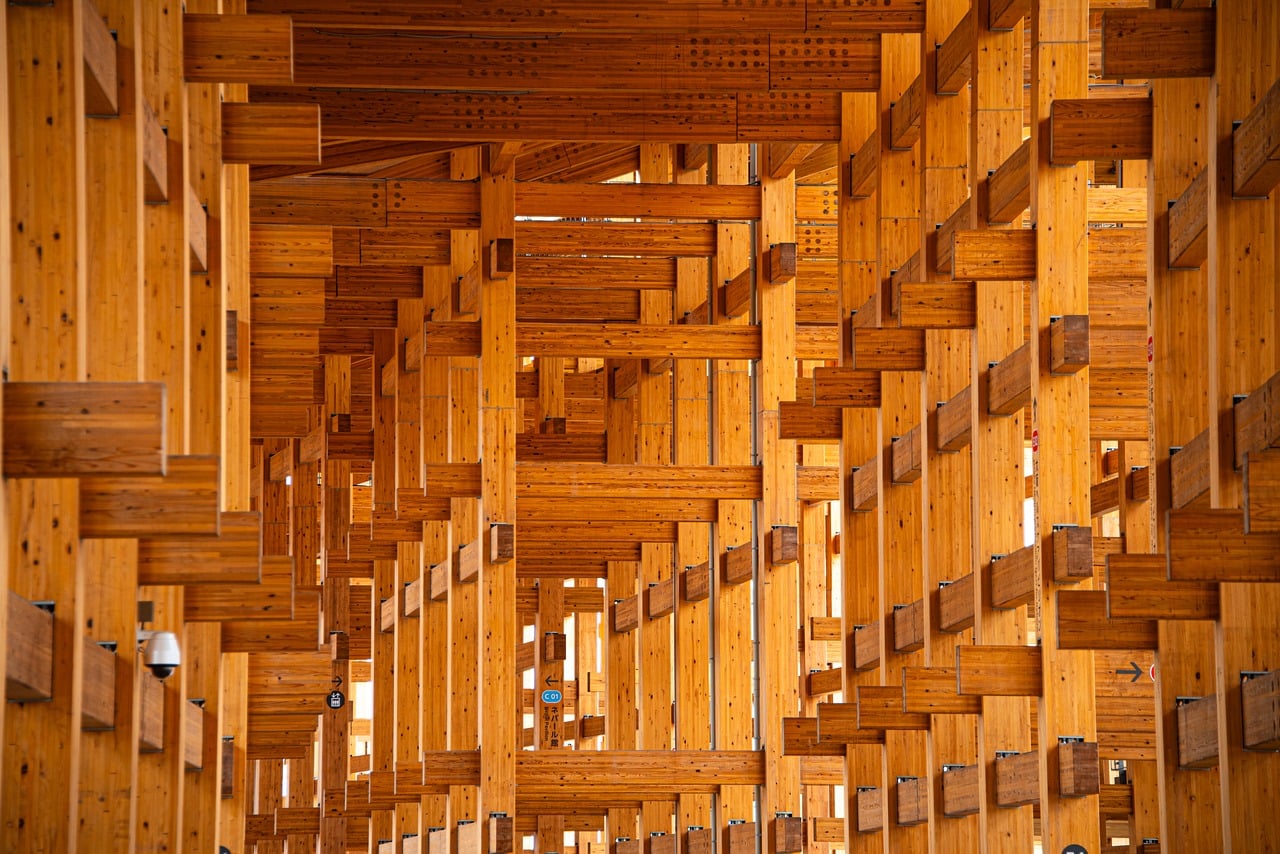
Traditional building materials like concrete and steel are known for their high embodied energy and carbon footprint. However, many ADU owners are opting for alternatives such as timber frames, straw bale walls, and recycled materials like reclaimed wood or steel. These materials not only reduce the project's environmental impact but can also provide cost savings and a unique aesthetic appeal. The use of sustainable materials can align with local ADU legal requirements, ensuring compliance while promoting eco-conscious practices. Many communities are encouraging the use of green building materials as part of their zoning laws and building permit processes.
The availability of same-day ADU installation services further underscores the potential for quick, sustainable construction. Efficient project management and the use of prefabricated components can significantly reduce construction time without compromising on environmental standards. Online reviews and local trade associations are valuable resources for finding contractors who prioritize eco-friendly practices. Financial institutions are increasingly recognizing the value of green construction, offering incentives and loans tailored to sustainable projects. The ADU owner experiences these benefits firsthand, often enjoying a faster, more cost-effective, and environmentally responsible build.
Community-driven initiatives and environmental organizations also play a vital role in promoting sustainable ADU construction. Local ADU groups and community centers often share resources, best practices, and experiences related to green building. These networks can connect property owners with architects, interior designers, and space planning experts who specialize in eco-friendly designs. By embracing these practices, the ADU construction process can be a powerful vehicle for positive environmental change, demonstrating that sustainability and convenience can go hand in hand.
Efficient Space Utilization: Maximizing ADU's Positive Impact on Land
Efficient space utilization is a key aspect of the environmental impact of ADU construction, making these smaller residential units a sustainable solution for dense urban areas. By maximizing the use of limited land, ADUs can significantly reduce the environmental footprint associated with urban development. This is particularly crucial in regions where land is scarce and real estate prices are high, making affordable ADU construction a viable option for many.
The ADU construction process involves careful planning and design to ensure every square foot is utilized effectively. Architects and interior designers play a vital role in creating spaces that are both functional and comfortable, often employing space-saving techniques such as modular design, built-in furniture, and multifunctional areas. A garage conversion can be transformed into a cozy one-bedroom ADU, allowing for efficient use of existing infrastructure and minimizing the need for new construction. This not only reduces the overall environmental impact but also offers an affordable housing solution for individuals or small families.
Legal requirements and zoning laws vary across regions, impacting the feasibility of ADU construction. Property Owners Associations (POAs) and local Building Departments often have specific guidelines regarding ADU installations. Understanding these legal aspects is essential before initiating the ADU construction process. A thorough review of local regulations, including building permits and any necessary community consultations, ensures a smooth project execution. Some areas may mandate certain design elements or set limits on the percentage of a property that can be developed as an ADU, so early consultation with professionals familiar with these regulations is crucial.
Comparing costs among different ADU builders is a practical step in the planning stage. Online review platforms and local trade associations provide valuable insights into contractor reputation and pricing structures. This cost comparison should consider not only the construction expenses but also the environmental benefits, such as reduced land consumption and potential energy savings. Utilizing eco-friendly materials and energy-efficient appliances can contribute to a greener footprint while also offering long-term financial savings, making the case for sustainable ADU construction even stronger.
Energy-Efficient Design: Creating Comfortable, Eco-Conscious ADUs
In the context of the process, incorporating energy-efficient design principles is crucial not only for the comfort of residents but also for minimizing the environmental footprint of these additions. Unique ADU design ideas that prioritize insulation, natural lighting, and efficient ventilation can significantly reduce energy consumption. Utilizing skylights and large windows strategically allows natural light to illuminate the space during the day, potentially eliminating the need for artificial lighting. This simple yet effective approach not only cuts down on electricity bills but also contributes to a greener living environment.
When comparing the costs of ADU builders, property owners should consider the long-term savings associated with energy efficiency. While the initial investment in eco-friendly materials and design features may be higher, the return on investment comes in the form of reduced utility expenses over time. For multi-family homes, ADUs offer a unique opportunity to implement shared energy systems, further enhancing sustainability. By connecting several ADUs to a central heating and cooling system, for example, energy use can be optimized, providing a more sustainable and cost-effective solution for everyone involved.
The design process itself plays a pivotal role in achieving energy efficiency. Architects and interior designers can employ innovative techniques, such as passive solar design, to harness the sun's energy for heating and lighting. Incorporating smart home technology allows residents to monitor and control energy usage, ensuring optimal performance and comfort. As the process unfolds, these design considerations not only create comfortable living spaces but also serve as a sign of environmentally conscious building practices.
Community engagement and local environmental organizations can provide invaluable support for sustainable ADU development. Local ADU groups and community centers often offer resources and advice on eco-friendly materials and design choices. Collaboration with environmental organizations ensures that the construction process aligns with the latest green building standards. By embracing these practices, the process can contribute to a thriving, eco-conscious community while setting a positive example for future development.
Local Regulations & Permitting: Navigating Green ADU Implementation
Navigating local regulations and permitting is a critical yet often overlooked aspect of the process, especially when pursuing environmentally sustainable goals. Each jurisdiction has its own set of rules and codes, and understanding these is key to a successful and green ADU project. Property owners should engage with their local Building Departments and Zoning Offices early on to grasp the requirements and permissions for adding a secondary dwelling unit. This step is crucial as it can significantly impact the design, construction, and final rental income potential of the ADU.
In many areas, obtaining a building permit is a mandatory requirement for ADU construction, and these permits often come with specific environmental standards. Local regulations may mandate energy-efficient insulation, lighting, and heating systems, or the use of eco-friendly materials. Reliable ADU renovation services should be well-versed in these regulations, ensuring that the project complies without compromising quality or design. Engaging with contractors who specialize in ADUs and have a proven track record, as evidenced by online reviews and ratings, can help streamline this process.
Property owners associations (POAs) and community centers also play a role in ADU implementation. Some POAs may have strict guidelines or restrictions regarding additional structures on a property, so it's essential to check their rules. Community centers and local environmental organizations can offer valuable insights and support for green building practices. They may provide resources on maximizing energy efficiency or suggest materials that are locally sourced and sustainable. By engaging with these groups, property owners can ensure their Process aligns with both local regulations and community environmental initiatives.
Frequently Asked Questions About The Environmental Impact of ADU Construction: A Sustainable Approach
What is an ADU, and why is its construction considered environmentally impactful?
An Accessory Dwelling Unit (ADU) is a secondary dwelling within a property, providing additional living space. Its construction is considered environmentally impactful due to resource usage, waste generation, and potential energy efficiency gains. The process involves building materials, tools, and skilled labor, all of which have associated environmental costs. However, when designed and built sustainably, ADU construction can contribute to reduced carbon footprints and energy consumption.
How does sustainable ADU construction minimize environmental impact?
Sustainable construction involves using eco-friendly materials, like recycled or locally sourced wood, and energy-efficient appliances. It also emphasizes proper insulation, air sealing, and efficient heating/cooling systems. These practices reduce energy demand, water usage, and greenhouse gas emissions. Sustainable ADU construction promotes on-site renewable energy generation and effective waste management strategies.
What are the key environmental considerations during ADU planning?
Key considerations include site selection, material choices, and design efficiency. Choosing a location with minimal ecological disruption and favorable sunlight exposure for renewable energy is ideal. Material choices should prioritize sustainability, such as reclaimed or certified wood, and recycled content. Efficient design minimizes energy use and maximizes natural lighting and ventilation, reducing the building's environmental footprint.
Can ADUs contribute to a community's overall sustainability?
Absolutely. ADUs can foster sustainability in several ways. They enable more compact development, reducing urban sprawl and preserving open spaces. By increasing housing density, they can lower per-capita resource consumption and energy demands. They promote walkability and community engagement, encouraging less reliance on personal vehicles, which significantly cuts carbon emissions.
What are some long-term environmental benefits of ADU construction?
Long-term benefits include reduced energy bills for residents due to efficient design. Well-insulated and sealed ADUs lower heating and cooling costs. These structures can extend the life of the main residence by providing a separate living area for aging-in-place residents or guests. Over time, this reduces the need for new construction, preserving natural resources and minimizing environmental degradation.
As we've explored the multifaceted process, from legal considerations to design and environmental impact, a clear picture emerges of ADUs as a powerful driver for sustainable urban development. By harnessing the potential of efficient space utilization, eco-friendly materials, and energy-conscious design, ADUs offer a tangible means to reduce carbon footprints and mitigate environmental pressures.
The process, when guided by local regulations and informed by expert advice, can create additional housing without straining resources. This is particularly significant in areas with high housing costs and limited land availability. By prioritizing sustainable practices throughout, from obtaining building permits with local trade associations to selecting materials with lower environmental impacts, builders and property owners can ensure that ADUs not only expand living spaces but also contribute to a healthier, more sustainable future.
Community engagement and local support, as evidenced by groups like the Local ADU Groups and environmental organizations, play a crucial role in successful ADU implementation. These networks facilitate knowledge sharing, encourage innovation, and foster a collective commitment to green building practices. Moving forward, embracing the process with a focus on sustainability not only addresses immediate housing needs but also leaves a positive, long-lasting mark on our communities and the planet.
The process offers a sustainable approach to urban growth, minimizing environmental footprints while maximizing living spaces. By repurposing underutilized areas, ADUs reduce land development demands, preserve habitats, and align with sustainable urban design. Efficient space utilization, smart design, and eco-friendly materials are key to minimizing the carbon footprint of ADU construction. Engaging reputable contractors, understanding local regulations, and leveraging community resources ensure successful, environmentally conscious ADU projects. This approach contributes to a resilient urban future while enhancing local housing markets and reducing transportation energy needs.