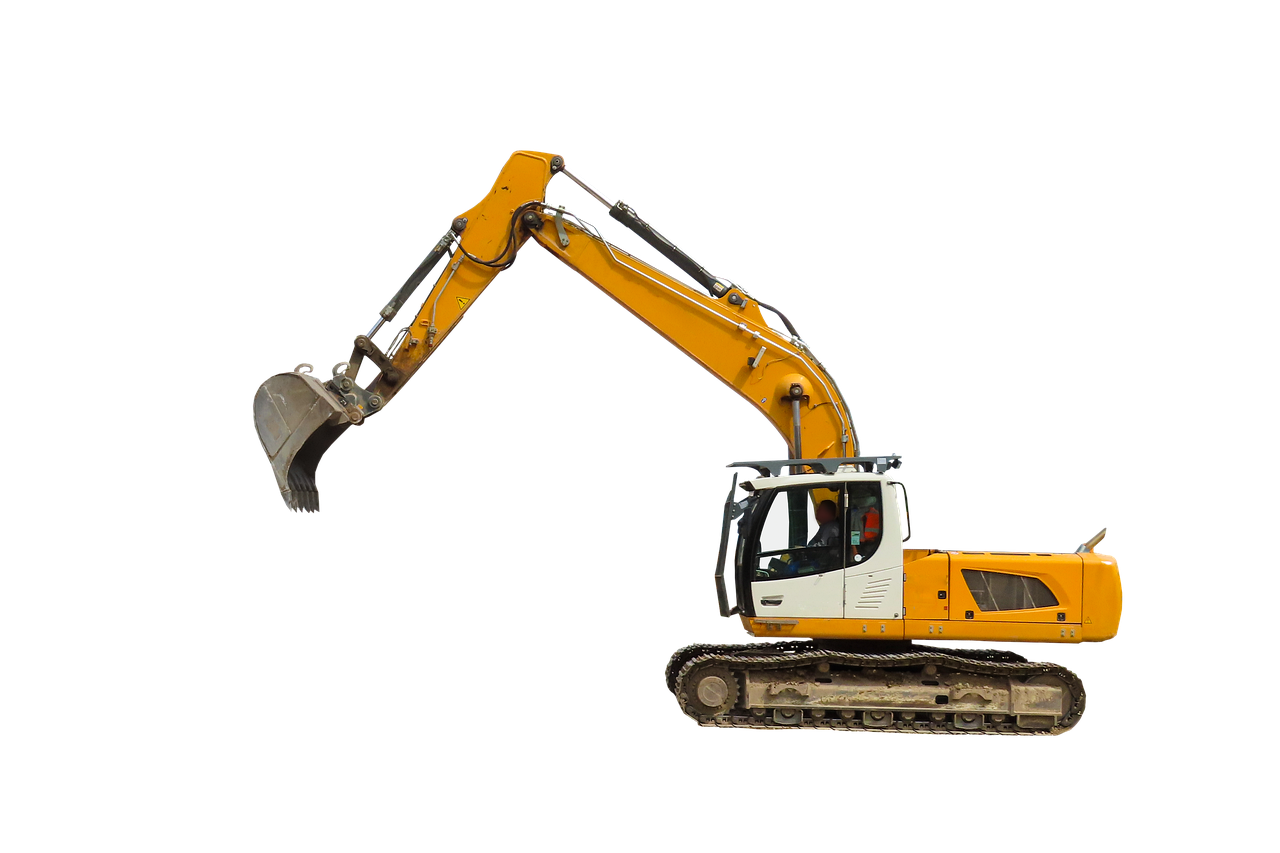
The ADU construction process is transforming the way we live and work, offering flexible, in-law suite-style housing that caters to modern lifestyles. However, navigating this process can be complex, from understanding local zoning laws and permitting to finding and managing contractors. Property owners often face a critical decision: entrust their project to a stranger or seek expert guidance. This article examines the key components of successful ADU construction, focusing on building lasting relationships with contractors. We'll explore legal considerations, client services, design options, financial planning, community impact, and more, providing a comprehensive roadmap for navigating the adu construction process with confidence and success.
- Planning Phase: Setting the Foundation for Success in ADU Construction
- Choosing Contractors: Evaluating Expertise and Trustworthiness
- Communication Strategies: Ensuring Clear Lines During ADU Construction
- Permits and Regulations: Navigating Legal Requirements for ADU Construction
- Construction Management: Overseeing Quality and Timely ADU Installation
- Post-Construction: Building Lasting Relationships for Future Projects
Planning Phase: Setting the Foundation for Success in ADU Construction
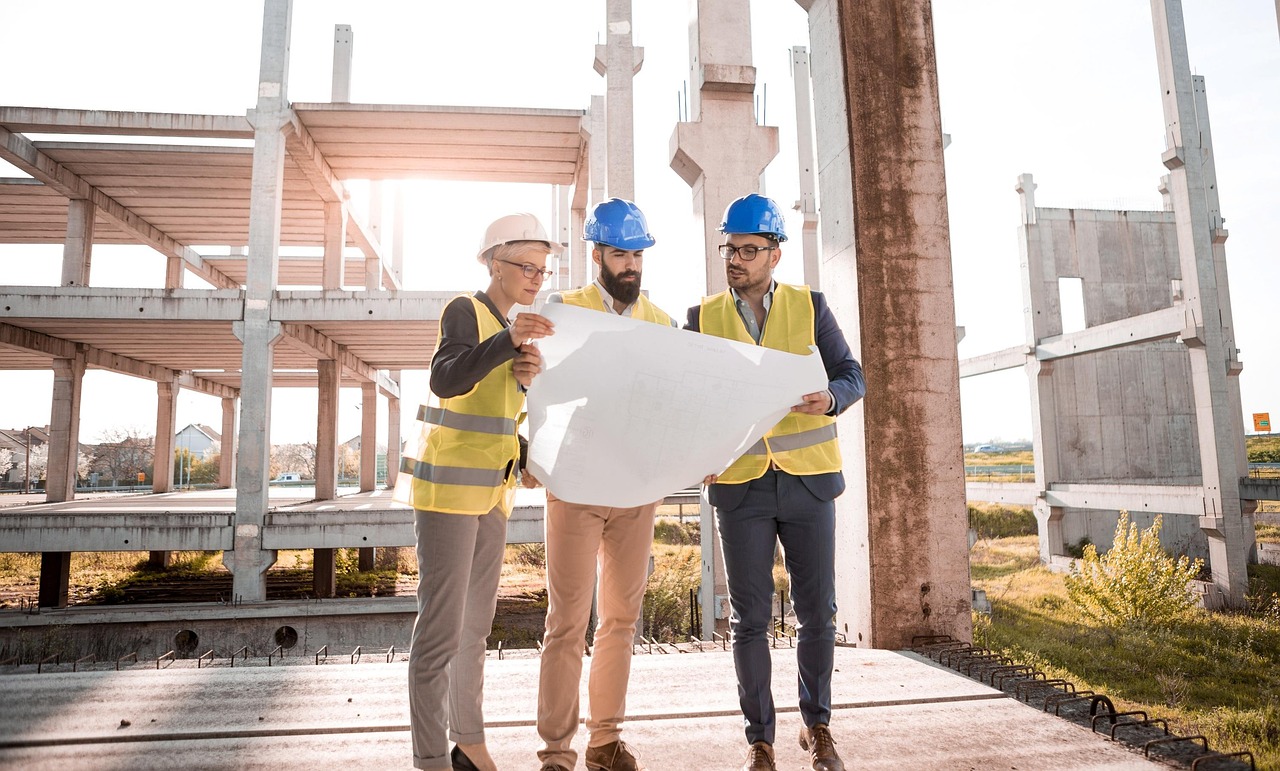
The planning phase is a critical foundation for successful ADU construction, where thoughtful strategies translate into tangible results. It involves navigating local regulations, securing permits, and coordinating with various professionals, including architects, interior designers, and contractors. Understanding zoning laws and building codes is paramount; local building departments often dictate the design and structural aspects of ADUs. Property Owners Associations (POAs) may also have specific rules, so engaging with them early ensures compliance and minimizes future conflicts.
Maximizing ADU rental income is a key objective for many property owners, especially in areas with high housing costs. During the planning phase, considering space planning and design choices that enhance rental appeal can be beneficial. Incorporating modern amenities, efficient layouts, and adaptable spaces can increase the property's desirability and rental potential. Sustainable ADU construction practices, such as energy-efficient appliances and eco-friendly materials, not only contribute to environmental responsibility but can also add value to the property.
Low-cost ADU solutions are particularly attractive for budget-conscious property owners. This might include exploring prefab construction methods, which can reduce labor costs and speed up the building process. Utilizing locally sourced and recycled materials can lower expenses without compromising quality. Engaging with reputable contractors who specialize in ADUs can provide valuable insights into cost-effective options while ensuring the project adheres to local building standards.
The adu construction process involves a series of intricate steps, and a well-planned initial phase sets the stage for a smooth and efficient build. By considering legal requirements, maximizing rental potential, embracing sustainable practices, and exploring cost-saving solutions, property owners can ensure their ADU project aligns with their goals and community standards.
Choosing Contractors: Evaluating Expertise and Trustworthiness
Choosing the right contractors is a critical yet often overlooked step in the ADU construction process. It's not just about finding someone who can do the job; it's about building a partnership with professionals who understand your vision and can deliver quality work. Unfortunately, the ADU construction market is rife with contractors who lack experience or have a history of subpar performance. To avoid common mistakes and ensure a cost-effective ADU remodel, property owners should take the time to thoroughly evaluate potential contractors.
Start by checking references and reading online reviews from previous clients. This initial step provides valuable insights into the contractor's work ethic, reliability, and the quality of their finished projects. Consistent positive feedback from multiple sources is a strong indicator of a trustworthy contractor. Verify their license and insurance status with your local Building Department to ensure they meet the legal requirements of the ADU construction process.
Next, consider the contractor's expertise in ADU-specific projects. While many contractors are capable of handling general renovation work, specialized knowledge is essential for navigating the unique challenges of adding a new dwelling unit to an existing home. Look for evidence of past ADU installations, and inquire about their design and construction process. Engaged contractors should be able to discuss local zoning laws and Building Permit requirements, as well as offer suggestions for optimizing space and incorporating eco-friendly materials, which can enhance the overall value and sustainability of your ADU.
Building long-lasting relationships with contractors requires clear communication, a shared understanding of project goals, and a commitment to excellence. When evaluating a contractor, remember that the lowest bid isn't always the best option. Cost-effective ADU remodels often result from a balance of quality materials, efficient labor, and smart design choices, which can be better assessed through detailed discussions with experienced professionals. Trusting your intuition and choosing a contractor who aligns with your values and expectations will contribute to a successful ADU construction process.
Communication Strategies: Ensuring Clear Lines During ADU Construction
Effective communication is the cornerstone of successful ADU construction projects, ensuring that every step of the process runs smoothly. As the adu construction process unfolds, clear and consistent dialogue between homeowners, architects, and contractors is vital. This becomes especially critical when navigating the unique requirements of energy-efficient ADU tips, where each decision can impact the overall cost and environmental footprint.
One of the most effective strategies to foster open communication is establishing a dedicated project management channel. This could be a simple group chat or a specialized project management tool. Here, all involved parties can share plans, updates, and any changes in real-time. The contractor can provide daily progress reports, allowing the ADU owner to stay informed about same-day installations and any unforeseen challenges. This transparent approach helps set expectations and enables quick problem-solving.
Regular meetings, whether virtual or in-person, should be scheduled at pivotal stages. These meetings can serve as a platform for discussing design ideas, reviewing material choices, and addressing any concerns. An interior designer might present space planning options, seeking feedback from the homeowner and the contractor to ensure everyone is aligned. By encouraging open dialogue, these meetings can help prevent costly mistakes and ensure the final product meets the ADU owner's vision.
Creating a comprehensive project plan that outlines timelines, responsibilities, and potential hazards can significantly improve communication. This document can be a reference point for all parties, ensuring everyone is working from the same set of information. It also facilitates better risk management, as potential issues can be addressed proactively. Regularly updating this plan throughout the process is essential to keep everyone on track and informed.
Permits and Regulations: Navigating Legal Requirements for ADU Construction

Navigating the legal landscape is a critical step in any Process, ensuring your project complies with local regulations and minimizes future headaches. Understanding the permits and regulations involved in ADU construction near me is essential for maximizing both your investment and rental income from these low-cost adu solutions.
Every project starts with a thorough review of local building departments and zoning laws. These entities dictate the rules of the road for ADU construction, from structural modifications to exterior aesthetics. Obtaining the necessary building permits is non-negotiable. Consider enlisting the help of contractor referral services or local trade associations to find reputable contractors who have experience with these applications. Keep in mind that requirements vary significantly from one area to another, so stay informed about your region's specific codes.
Another vital aspect to manage is the relationship with your property owners association (POA). POAs often have guidelines and restrictions regarding ADU additions. Communicate openly with your association to understand their expectations and ensure your project aligns with their regulations. This proactive approach can prevent potential disputes and streamline the approval process. Remember, a well-planned and compliant Process not only adheres to legal requirements but also increases the long-term value of your property.
Construction Management: Overseeing Quality and Timely ADU Installation
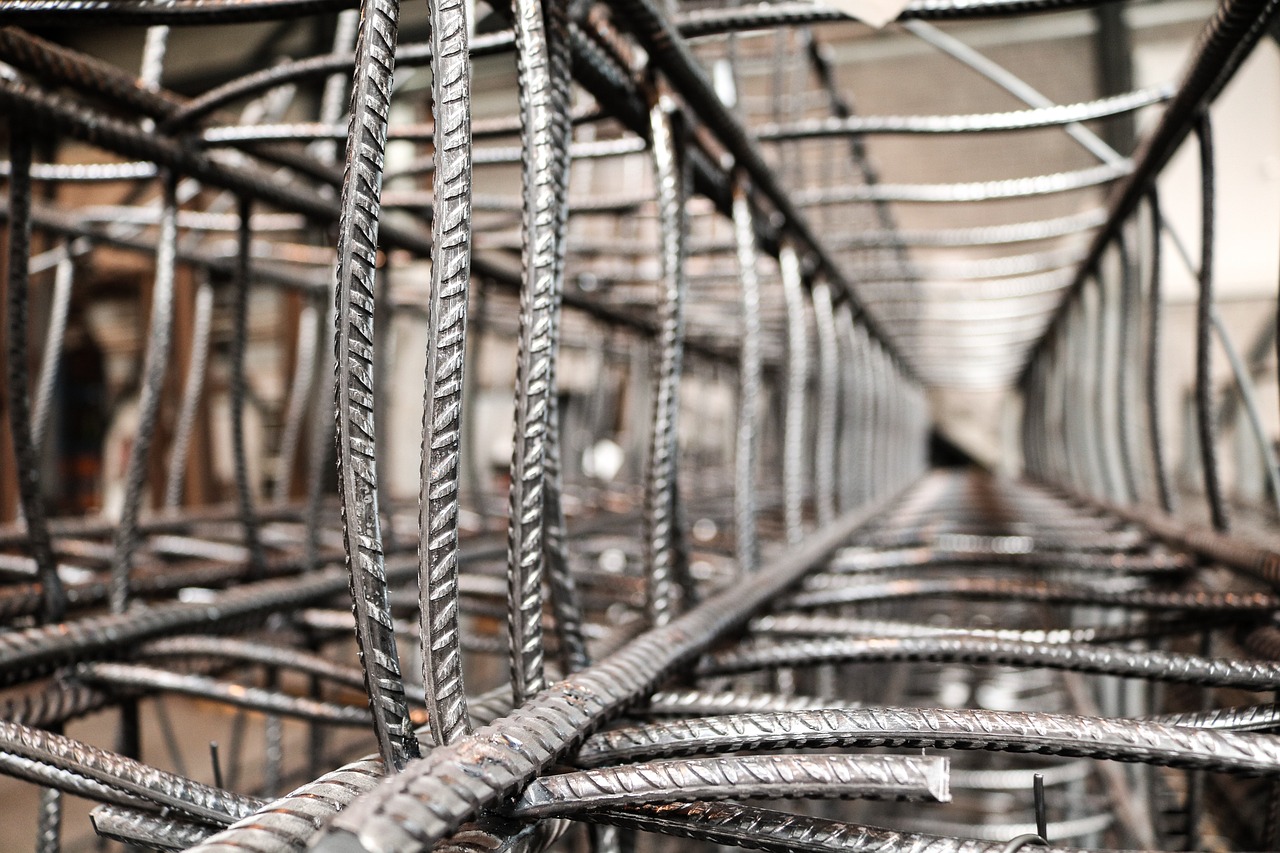
Effective construction management is crucial for successful ADU (Accessible Dwelling Unit) projects, ensuring that installations are both of high quality and completed within the set timeline. This involves a meticulous process that includes close oversight, clear communication, and consistent quality control.
One of the primary challenges in ADU construction is coordinating the various specialized trades required. From foundation work and framing to electrical and plumbing, each step demands skilled professionals. A reliable contractor should have a robust network of trusted subcontractors, ensuring they can assemble the right team for each project. A low-cost ADU solution might involve creative space planning and the use of standard, off-the-shelf materials, while a more elaborate renovation could necessitate custom designs and high-end finishes.
The manager's role is to act as the central point of communication, ensuring all parties are aligned. This includes regular site visits to assess progress, resolve issues, and guarantee the work meets the required standards. Implementing a step-by-step adu building guide, tailored to the specific project, can help maintain efficiency and minimize delays. It should detail every stage, from initial planning and permit application through to final inspections and handovers. By following this structured approach, managers can ensure the ADU is built safely, correctly, and on time, fostering a positive working relationship with the contractor and their team.
Effective management involves keeping clients involved but informed. Providing regular updates and being responsive to their queries builds trust. It also allows for any necessary adjustments to be made early in the process, preventing costly changes down the line. Reliable ADU renovation services often thrive on this transparent approach, fostering long-term client relationships based on mutual respect and understanding.
Post-Construction: Building Lasting Relationships for Future Projects

After a successful ADU (Accessory Dwelling Unit) construction project, establishing a lasting relationship with top-rated local contractors becomes crucial for future projects. The process, once complete, creates a window of opportunity to foster connections that can benefit both the property owner and the contractor. This is especially valuable for homeowners looking to expand their living spaces, as it ensures a reliable team for potential additions or renovations.
Building a solid post-construction relationship involves several key steps. First, homeowners should encourage open communication and address any lingering concerns. This can be as simple as a follow-up meeting to discuss the process, the final outcome, and any lessons learned. A homeowner might review the design choices made during the project and how they impact daily life, offering valuable feedback to the contractor. Positive interactions leave a good impression, fostering a collaborative atmosphere for future collaborations.
Next, soliciting and sharing adu construction reviews becomes essential. Online platforms provide a space for property owners to share their experiences, allowing potential clients to gauge a contractor's quality of work and customer service. Similarly, contractors who value client satisfaction will actively seek reviews, demonstrating their commitment to excellence. This two-way exchange of feedback creates a transparent environment, strengthening the bond between the homeowner and the contractor. For multi-family homes, where several ADU units might exist, a top-rated local ADU expert can become a go-to resource, ensuring each unit is constructed to the highest standards and maintained over time.
Frequently Asked Questions About Trusted ADU Construction: Building Long-Lasting Relationships with Contractors
What is an ADU and why is it important? An Accessory Dwelling Unit (ADU) is a secondary residential unit built within or on the property of an existing home. It's an increasingly popular option for homeowners looking to generate extra income, provide affordable housing for family or friends, or create a home office space. The importance of ADUs lies in their versatility and contribution to community development. They help address housing shortages, support diverse housing needs, and can enhance property values by adding valuable living space.
How do I ensure a trusted construction process for my ADU? Building trust requires thorough research and clear communication. Start by checking a contractor's licensing and insurance. Look for online reviews and ask for references. A reputable contractor will be transparent about costs, timelines, and materials used. Maintain open lines of communication throughout the project, addressing concerns promptly. Regular site visits and detailed progress reports also foster trust and ensure the project stays on track.
What are the key components of a successful ADU construction project? A successful project hinges on several critical components. Firstly, a detailed, permit-approved plan specific to your property. Quality materials and craftsmanship are essential for longevity. Efficient communication and project management ensure timely completion. Regular safety protocols and adherence to local building codes are non-negotiable. Finally, a strong working relationship with your contractor, based on trust and clear expectations, is the cornerstone of a successful ADU installation.
How long does a typical ADU construction project take? Most ADU installations take one to two days, depending on the size and complexity of the project. This includes obtaining necessary permits, demolition (if required), framing, electrical and plumbing work, insulation, flooring, and final finishes. However, larger projects or those with unique design elements may take longer. It's crucial to discuss timelines with your contractor early in the process.
What should I do if I encounter issues during construction? Issues are inevitable in construction. Address them promptly by: (1) Discussing the problem openly with your contractor, (2) Reviewing your contract for dispute resolution clauses, (3) Seeking professional advice if needed, and (4) Documenting the issue and any subsequent actions taken. Clear communication and a collaborative approach can help resolve most issues efficiently.
How can I ensure my ADU meets local building codes and regulations? Ensuring compliance is crucial. Start by researching local building codes and regulations specific to your area. Obtain the necessary permits before construction begins. Your contractor should be familiar with these codes and will help guide you through the process. Regularly inspect the work to ensure it aligns with the approved plans and codes. This not only maintains safety standards but also protects your investment.
Throughout the process, establishing strong relationships with contractors is key to success. From the initial planning phase, where setting clear goals and understanding local regulations are crucial, to the post-construction phase, where communication and trust build long-lasting partnerships, each step demands careful consideration. Choosing experienced contractors who understand the nuances of ADU installation, adhering to legal requirements like building permits and zoning laws, and maintaining open communication channels are essential practices. By managing the process effectively, property owners can ensure high-quality, timely ADU installations, fostering lasting relationships that will benefit future construction projects. This holistic approach to process, focusing on both practical considerations and community impact, underscores the value of strategic collaboration.
The process begins with thorough planning, encompassing legal requirements, rental appeal, sustainable practices, and cost-saving solutions. Engaging with experienced contractors, establishing clear communication, and adhering to local building standards are critical. Effective project management, including dedicated communication channels, regular meetings, and a comprehensive project plan, ensures a successful build. Navigating permits, understanding zoning laws, and managing relationships with POAs are essential legal steps. Skilled construction management, coordination of trades, and consistent quality control guarantee high-quality results within the set timeline. Post-construction, fostering relationships with top-rated contractors creates a valuable network for future projects.