In today's increasingly urbanized world, expanding living spaces is a top priority for many property owners facing the challenges of limited real estate. The adu construction process offers a compelling solution, transforming small, underutilized areas into functional and affordable additional dwellings. This article examines the practical and financial aspects of ADU (Accessory Dwelling Unit) construction, providing a roadmap for homeowners to navigate the process efficiently. We'll explore legal considerations, design strategies, and budget-friendly tips, ensuring a smooth transition from concept to completion. By the end, you'll be equipped to achieve the potential of your small space.
- Planning Phase: Budget-Conscious Design for Small Spaces
- Material Choices: Cost-Effective Yet Durable for ADU Construction
- Effortless Expansion: Modular Solutions for Quick ADU Build
- Permitting Process: Streamlining for Affordable ADU Solutions
- DIY vs. Professionals: Cost-Savings Strategies for ADU Installation
- Maintenance Tips: Longevity & Affordability in Small Spaces
Planning Phase: Budget-Conscious Design for Small Spaces
In the initial phase of planning an affordable ADU construction project, budget-conscious design plays a pivotal role in maximizing the utilization of small spaces. This involves a strategic approach to space planning, where every inch is considered and optimized. A well-designed ADU in a compact urban lot can include a functional kitchenette, a cozy sleeping area, and adequate storage, all while maintaining a sense of openness. This not only meets the client's needs but also aligns with the legal ADU requirements of the local building departments, ensuring the project stays compliant.
To achieve this, expert interior designers and architects collaborate closely with property owners. They assess the site, understand the client's lifestyle, and incorporate the best practices for small-space design. This might include the use of multi-functional furniture, clever storage solutions, and reflective surfaces to create the illusion of more space. Engaging with a contractor who specializes in affordable ADU construction can be invaluable. These builders often have a deep understanding of local market trends and can offer tailored solutions that fit both the space and the budget.
Before breaking ground, it's crucial to consider the environmental impact. Eco-friendly materials and designs can significantly reduce the carbon footprint of the project. Local trade associations and online review platforms can help in identifying builders who prioritize sustainability and use environmentally conscious practices. This phase is the ideal time to explore financial options. Researching construction cost databases and consulting with financial institutions can achieve affordable financing plans, making the project more accessible and budget-friendly. This holistic approach to planning ensures that the ADU construction process not only begins on a solid foundation but also contributes to a sustainable and cost-effective outcome.
Material Choices: Cost-Effective Yet Durable for ADU Construction
When choosing materials for your ADU construction process, cost-effectiveness and durability are key. The right materials not only fit within your budget but also stand the test of time, ensuring your investment remains valuable. Consider these factors to make smart choices:
Durable materials like treated wood, steel, and concrete offer long-term value, often requiring less frequent replacement than cheaper alternatives. While pressure-treated lumber may be slightly more expensive upfront, its resistance to rot and pests means it lasts longer than untreated wood, saving you money in the long run. Similarly, steel framing, known for its strength and resistance to pests and fire, can be a smart choice, though its weight requires careful structural considerations.
To material strength, look for options that offer energy efficiency. Insulated materials like foam core walls and double-glazed windows not only reduce heating and cooling costs but can also contribute to a more comfortable living space. Many reliable ADU renovation services offer packages that include energy-efficient materials, ensuring your unit meets modern standards while keeping costs down. Some local governments even offer incentives for incorporating green building practices, further reducing long-term expenses.
While the allure of do-it-yourself installation can be appealing for same-day ADU installation, it's crucial to weigh the costs. Unskilled installation can lead to leaks, structural problems, and costly repairs down the line. Hiring experienced professionals ensures your ADU is built to last, minimizing future expenses and ensuring compliance with local legal ADU requirements. Many contractors offer transparent pricing and competitive quotes, allowing you to make an informed decision that balances quality, cost, and convenience.
Effortless Expansion: Modular Solutions for Quick ADU Build
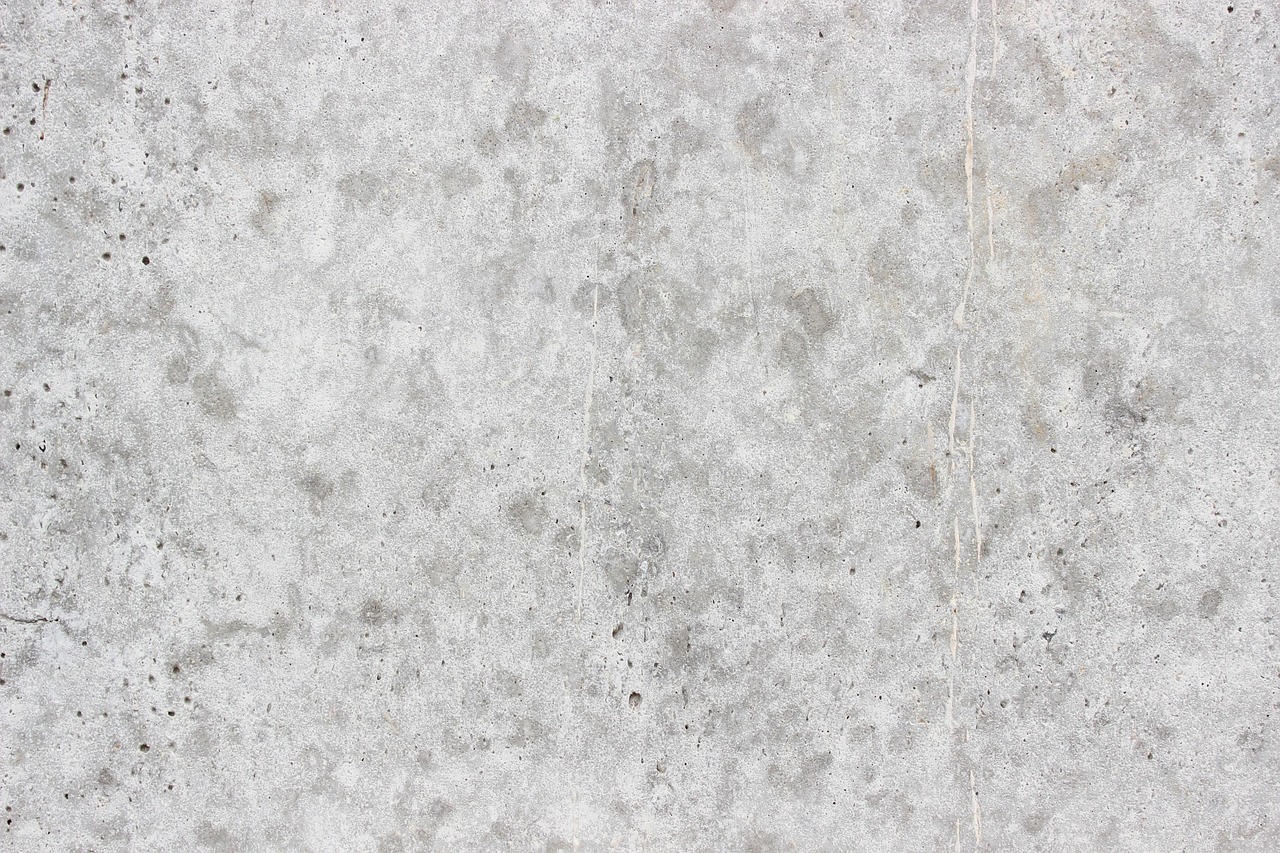
Expanding your living space doesn't have to be a lengthy or costly endeavor. For those seeking a swift and budget-friendly solution, modular ADU construction offers a compelling path. This method involves pre-fabricated components, assembled on-site, significantly accelerating the adu construction process near me. The result? A functional, comfortable, and legal addition to your property in a fraction of the time traditional construction takes.
One of the most significant advantages of modular ADUs is their affordability. By utilizing standardized parts, manufacturers can maintain lower production costs, which are then passed on to the consumer. This cost-saving measure, combined with streamlined installation, makes modular ADUs an attractive option for property owners looking to maximize their space without breaking the bank.
Legal requirements for ADUs vary by location, but the modular approach can simplify the process. Local building departments often have established guidelines for pre-fabricated structures, making it easier to obtain the necessary permits. Many modular ADU contractors are also familiar with these regulations, ensuring your project stays on track. Property owners associations (POAs) are increasingly embracing the trend, further facilitating the adu construction process. Engaging with reputable contractors who specialize in modular construction can help navigate these legal intricacies and ensure your ADU complies with all local requirements.
Permitting Process: Streamlining for Affordable ADU Solutions
Navigating the permitting process is a crucial step in the ADU construction process, especially for budget-conscious homeowners. Streamlining this process can significantly reduce the time and cost associated with turning your small space into a rental income generator. Understanding the local regulations and requirements is key. Reach out to your local Building Departments and review Zoning Laws to grasp the permitted uses and restrictions in your area. This initial step often reveals potential hurdles and can help you plan for a smoother transition.
Many communities have realized the benefits of ADUs for both homeowners and the broader housing market. As a result, some Local Building Departments offer simplified permitting paths for these smaller structures. They might provide pre-approved plans or fast-track approval for specific, energy-efficient ADU designs. Embracing these opportunities can streamline the ADU construction process, saving time and money. Trusted ADU building companies often have extensive experience navigating these local processes, ensuring your project stays on track.
When preparing your application, be thorough yet concise. Provide all required documentation, including detailed plans and any necessary permits for prior work. Established trade associations and online review platforms can be invaluable resources, offering insights into reliable contractor services. These platforms often feature client feedback, helping you choose a trustworthy adu renovation service. By prioritizing a well-planned and permitted project, you lay the groundwork for a successful Process, setting the stage for a rentable and valuable addition to your property.
DIY vs. Professionals: Cost-Savings Strategies for ADU Installation
When considering a budget-friendly approach to ADU construction, the decision between DIY and professional installation is a crucial factor in cost-effective ADU remodels. While doing it yourself can seem appealing, saving on labor costs, it's essential to weigh the potential benefits and drawbacks. Many common ADU construction mistakes can arise from DIY projects, leading to unexpected expenses. An inexperienced homeowner might overlook essential structural modifications, resulting in costly repairs later.
Hiring professionals offers a more predictable path to success. Skilled contractors are intimately familiar with local building codes and permit processes, ensuring your Process adheres to all regulations. They can also provide valuable expertise in space planning, utilizing every inch of your property efficiently. Professionals often have established relationships with suppliers and subcontractors, securing better pricing on materials and labor. This can lead to significant savings, especially in regions with high construction costs.
However, even when working with professionals, keen insight into the process is essential to stay within budget. Thoroughly understanding the scope of work and requesting detailed quotes from multiple contractors are crucial steps. Compare not only labor and material costs but also their past projects, references, and experiences with similar ADU installations. This strategic approach can help avoid scope creep and ensure your project stays on track financially. Remember, while professionals offer expertise, being an informed homeowner can still yield substantial savings throughout the process.
Maintenance Tips: Longevity & Affordability in Small Spaces
In the process, particularly when dealing with small spaces, maintenance plays a crucial role in ensuring longevity and affordability. Experienced ADU builders emphasize that a well-maintained unit not only retains its value but also reduces the need for costly repairs. A simple, regular cleaning routine can prevent buildup and prolong the life of your ADU's finishes, especially in high-moisture areas like bathrooms and kitchens. Using non-toxic cleaning products and addressing issues like water leaks immediately can save you from extensive renovation costs down the line.
Energy efficiency is another key aspect of long-term ADU affordability. Top-rated local ADU experts recommend investing in quality insulation and energy-efficient appliances to reduce utility bills. Simple modifications like adding weatherstripping around windows and doors, using LED lighting, and installing a programmable thermostat can significantly lower energy consumption. These measures not only save money but also contribute to a more sustainable living environment, aligning with growing community and environmental goals.
Regular inspections are essential for identifying potential issues early on. Check for signs of water damage, mold growth, or structural problems at least once a year. Promptly addressing these issues will prevent them from escalating and becoming more expensive to repair. Engaging with a reputable contractor for regular maintenance checks can help ensure that your ADU remains in excellent condition, maximizing its long-term affordability and value.
Staying informed about local market trends and construction cost databases can guide your maintenance and renovation decisions. Understanding what's typical for repairs and upgrades in your area allows you to budget effectively and avoid unnecessary expenses. Online review platforms provide valuable insights into the performance and reliability of different contractors, helping you choose experienced ADU builders who prioritize quality workmanship and customer satisfaction.
Frequently Asked Questions About Affordable ADU Solutions: Budget-Friendly Tips for Small Spaces
What is an ADU, and why is it a cost-effective option for small spaces? An Accessory Dwelling Unit (ADU) is a separate, self-contained dwelling added to a property. It's a great solution for maximizing space in small homes or apartments, as it provides extra living area without the expense of a full renovation. ADUs are budget-friendly due to their size, simplicity, and potential use of existing infrastructure, making them an attractive option for those looking to increase rental income or accommodate family.
How do I determine the best location for my budget-friendly ADU? Consider your property's unique layout and existing utilities. A garage conversion may be ideal for a detached structure, while a finished basement could be suitable for an in-ground ADU. Assess the cost of utility hookups and permits for each location, as these can vary significantly. Consult local building codes and zoning regulations to ensure your ADU complies with all requirements.
Are there any legal or zoning restrictions I should be aware of before building an ADU? Yes, zoning laws and building codes vary widely, and some areas may restrict or prohibit ADUs. Research your local regulations to understand any restrictions on size, height, and set-back requirements. Obtain necessary permits to ensure your project complies with all legal requirements, avoiding potential fines or delays.
What are some cost-saving materials and design tips for building an ADU? Use efficient, budget-friendly materials like concrete, steel, and wood. Consider prefabricated components to reduce construction time and labor costs. Opt for simple, functional designs that minimize the need for specialized features. Implement energy-efficient appliances and lighting to lower utility expenses. Explore tax incentives and grants available for energy-efficient or affordable housing projects.
Can I convert my existing space, like a spare room or closet, into an ADU? Absolutely. Converting existing spaces is often the most cost-effective method. Assess the structural integrity and utility accessibility of these areas. Simple renovations, such as adding windows and doors, can transform these spaces into functional ADUs. Ensure the converted area meets safety and building codes to maintain tenant comfort and legal compliance.
How much does it typically cost to build a budget-friendly ADU, and what are some ways to keep expenses down? The cost depends on factors like size, location, and materials. Expect to spend between $25,000 and $50,000 for a small, basic ADU. To keep costs down, consider DIY methods for certain tasks, negotiate with suppliers for bulk materials, and explore local recycling centers for discounted or free building materials. Efficient project management and clear communication with contractors can also prevent unnecessary expenses.
What are the potential returns on investment for renting out an ADU? Rental income from an ADU can significantly offset construction costs. The average monthly rent for an ADU ranges from $600 to $1,200, depending on location and size. With careful planning and management, an ADU can provide a steady stream of passive income, making it a valuable addition to your property portfolio.
Choosing the right location and navigating the process thoughtfully can achieve affordable, space-efficient living. By prioritizing budget-conscious design, cost-effective materials, and streamlined permitting, homeowners can create valuable rental spaces without breaking the bank.
Modular construction offers a quick and cost-saving solution, while DIY installation can further reduce expenses. However, consulting professionals is crucial for ensuring structural integrity and navigating local regulations, especially in the permitting process.
Regular maintenance is key to preserving the longevity and affordability of your ADU. By following these strategies, individuals can successfully integrate ADUs into their properties, contributing to both increased rental income and community vitality.
Process: Maximizing Value, Minimizing Costs
Strategic space planning in compact urban lots is key, utilizing every inch for a functional, legal ADU. Collaborate with interior designers and architects for multi-functional design, clever storage, and eco-friendly materials. Engage contractors specializing in affordable ADU construction for tailored solutions and sustainable practices. Consider modular ADU construction for a swift, budget-friendly option, leveraging pre-fabricated components for faster installation. Streamline the permitting process by researching local regulations and requirements, using approved plans where available. Weigh DIY versus professional installation, considering potential savings and common mistakes. Prioritize regular maintenance, energy efficiency, and prompt issue resolution to preserve long-term affordability and value. Stay informed about local market trends and construction costs through online review platforms and databases.