Accessory Dwelling Units (ADUs) are transforming urban living, offering flexible housing solutions and addressing housing shortages. Yet, navigating the complex ADU construction process can be daunting for property owners. The approval process involves intricate legal aspects, from zoning laws to building permits, and requires expertise to ensure compliance. Client services, design, and financial considerations further complicate matters.
Predicting future trends in ADU construction is important to understanding the evolving field. By examining successful ADU projects, analyzing market trends, and staying informed about legal developments, property owners and contractors can anticipate changes in the adu construction process, ensuring timely and compliant builds. This article examines into these insights, shaping the future of ADUs.
- Understanding the ADU Market: Current Demand and Growth Projections
- Regulatory Field: Navigating Local Laws and Zoning Regulations
- Design and Function: Innovative ADU Concepts and Customization
- Building Materials: Sustainable Options and Cost-Effective Choices
- Construction Techniques: Efficient Building Processes and Quality Assurance
- Future Trends: Tech Integration and the Evolving Role of ADUs
Understanding the ADU Market: Current Demand and Growth Projections
The ADU market is experiencing a surge in demand, driven by a confluence of factors including urban overcrowding, the rise of remote work, and a desire for more affordable housing. According to a 2022 report by the National Low-Income Housing Coalition, the U.S. Is facing a severe housing shortage, with a gap of over 7 million housing units. In response, many property owners and developers are turning to the construction of accessory dwelling units (ADUs) as a viable solution. In California, ADU construction has been a significant part of the state's housing strategy, with over 100,000 units built between 2014 and 2019, a number projected to grow exponentially.
Focusing specifically on multi-family homes, reliable ADU renovation services are in high demand. Property owners are recognizing the value of expanding their living spaces, either for rental income or to accommodate family members. ADUs offer a practical and cost-effective alternative to moving, particularly in urban areas where land is scarce and expensive. As such, the market for ADU construction is expected to grow at a CAGR of 12.5% from 2023 to 2030, according to a report by Grand View Research. This growth is driven not only by individual homeowners but also by real estate investors who see the potential for lucrative returns in multi-family ADU projects.
Designing ADUs for small spaces requires creativity and strategic planning, but the results can be major. Interior designers and architects are playing an important role in this process, offering innovative space planning expertise tailored to the unique constraints of ADUs. Smart furniture solutions and multi-functional spaces can maximize the limited real estate. Online platforms offering ADU design ideas for small spaces have seen a surge in popularity, reflecting the growing interest in optimizing these compact living areas. As the ADU construction process becomes more mainstream, the industry is poised to embrace new technologies and sustainable practices, ensuring that the future of ADU development is both efficient and eco-friendly.
Regulatory Field: Navigating Local Laws and Zoning Regulations
The regulatory field surrounding ADU construction is a complex web, varying significantly from one municipality to the next. Understanding local laws and zoning regulations is a critical step in the ADU construction process, as they dictate everything from building codes to permitted uses. Some cities allow ADUs only in specific zones or as a percentage of total property value, while others may have strict requirements for set-backs and accessibility. Property Owners Associations (POAs) also play a role, with some communities imposing additional rules or restrictions.
Navigating these legal ADU requirements demands a strategic approach. Local Building Departments offer valuable resources and guidance, providing detailed information on permitted structures, building permits, and necessary inspections. Staying updated on these guidelines is essential, as they can change with new administrations or policies. As of 2022, many cities are embracing the trend, with Los Angeles, for example, having processed over 10,000 ADU permits in the past five years. This surge highlights the growing acceptance of ADUs as a viable housing solution.
Energy-efficient design is another important aspect, especially in light of climate change concerns. Incorporating eco-friendly materials and smart building practices not only reduces construction costs but also lowers operating expenses for residents. For multi-family homes, ADUs present an unique opportunity to enhance overall sustainability. According to a 2020 study by the U.S. Department of Energy, homes with energy-efficient features can save up to 30% on energy bills. By integrating these tips into the ADU construction process, developers can create not only affordable units but also contribute to a greener future.
Community engagement and environmental organizations play a vital role in shaping the future of ADUs. Local ADU groups and community centers can provide insights into desired amenities and services, ensuring the new units meet the needs of the existing community. Engaging with environmental groups can help incorporate green building practices and materials, further enhancing the sustainability and appeal of these structures. This collaborative approach not only benefits the environment but also fosters a sense of community, making ADUs a more welcomed and integrated part of the neighborhood field.
Design and Function: Innovative ADU Concepts and Customization
The evolution of accessory dwelling units (ADUs) is reshaping urban fields and offering innovative design solutions. As the demand for multi-generational housing and affordable living spaces grows, The processes are becoming increasingly sophisticated. Today's ADUs are not just functional additions; they are designed to blend smoothly with their surroundings, showcasing creativity and customization. Some builders are integrating smart home technology, energy-efficient systems, and sustainable materials to create modern, high-tech ADUs that appeal to tech-savvy buyers.
Designing an ADU involves careful consideration of space planning, interior design, and architectural elements. Experts suggest that understanding the specific needs of the occupants and the local climate is important. In coastal areas, ADUs may incorporate flood-resistant features, while desert regions might demand water-efficient fixtures and ventilation systems. Experienced ADU builders, as indicated by recent adu builder reviews and ratings, often excel at tailoring these spaces to clients' preferences. They work closely with architects and interior designers to create custom layouts, ensuring the ADU functions as a cohesive extension of the main residence.
The ADU construction cost guide offers a range of pricing based on factors like size, complexity of design, and location. According to a 2022 survey by the National Association of Home Builders, the average ADU construction cost was approximately $120,000, with a wide variation depending on regional factors. To handle these costs effectively, property owners should consult with local contractors and utilize online resources for accurate estimates. By staying informed about market trends and working with reputable builders, homeowners can ensure their The process yields a high-quality, personalized result.
Building Materials: Sustainable Options and Cost-Effective Choices
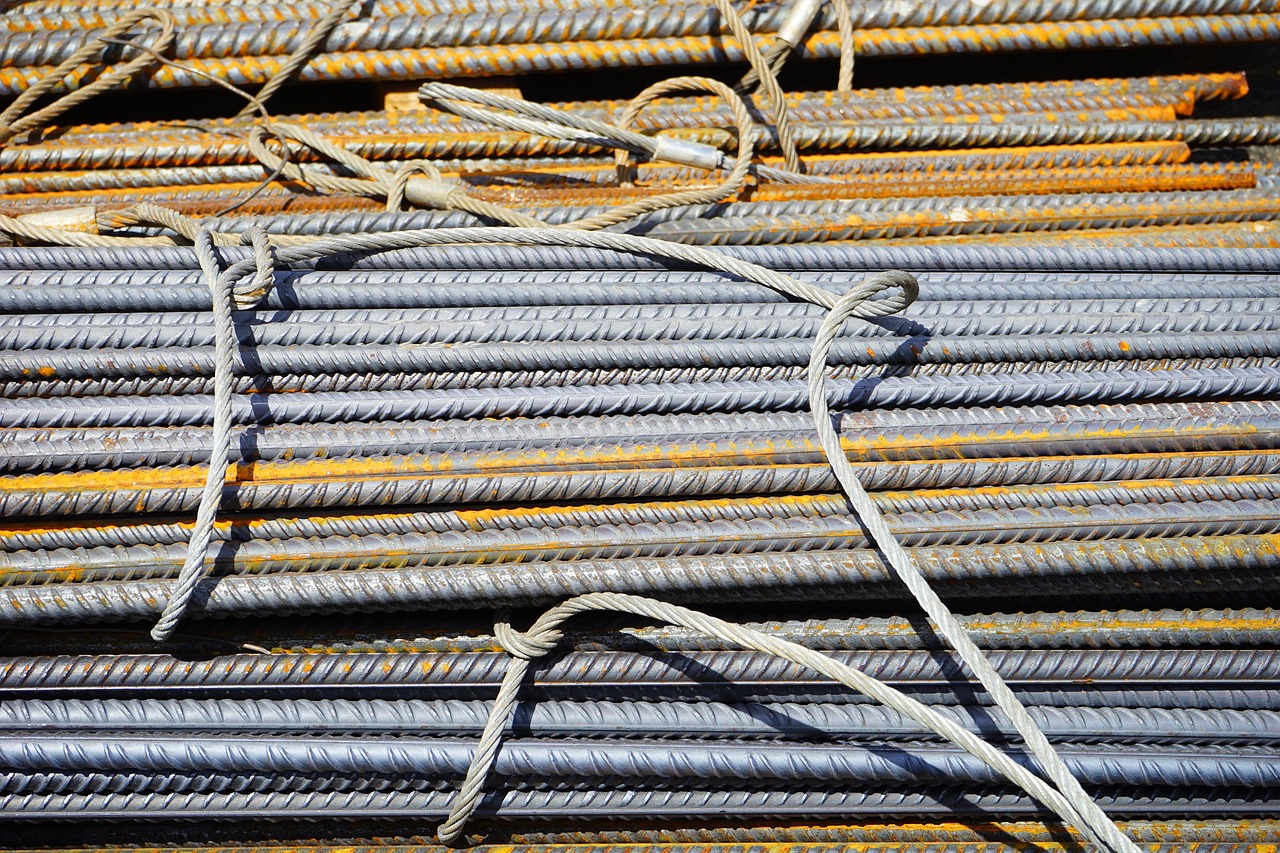
As the demand for accessory dwelling units (ADUs) continues to surge, the process is evolving to incorporate more sustainable building materials and cost-effective choices. This shift is driven by both environmental consciousness and the economic reality of resource efficiency. One of the most significant trends in sustainable ADU construction is the increasing use of eco-friendly materials. Recycled steel and aluminum are gaining popularity due to their low embodied energy and high durability, reducing the need for frequent replacements. Similarly, wood from certified sustainable sources is favored for its lower carbon footprint and aesthetic appeal.
A trusted ADU building company often leads the way in adopting these innovative materials, ensuring they are sourced responsibly and incorporated smoothly into the design and construction process. According to a 2022 study by the National Association of Home Builders (NAHB), almost 70% of homeowners prefer energy-efficient and sustainable homes, pushing builders to integrate green practices into their the process. The use of energy-efficient insulation, like cellulose or foam, can significantly lower heating and cooling costs, making ADUs more affordable in the long run. Incorporating solar panels and smart thermostats not only reduces utility expenses but also contributes to a smaller carbon footprint.
Cost-effectiveness remains a primary concern for many property owners, especially as the construction cost databases show a steady rise in material prices. To handle these challenges, contractors are leveraging technology and prefab construction methods. A step-by-step ADU building guide often includes 3D modeling and printing, which enable more precise measurements and reduce waste. These digital tools, combined with off-site fabrication of modular units, can shorten construction timelines and lower labor costs, making ADU projects more feasible. A recent case study in Los Angeles demonstrated a 20% cost savings by using prefab walls and windows in a newly constructed ADU, highlighting the potential for cost-efficient and sustainable building practices.
Construction Techniques: Efficient Building Processes and Quality Assurance
The evolution of The processes reflects a growing trend towards efficient, quality-driven, and innovative building techniques. As the demand for accessory dwelling units (ADUs) surges, driven by factors like urban density and changing housing preferences, builders and developers are adopting advanced methods to streamline the construction process while maintaining high standards.
One notable trend is the integration of modular construction practices. Same-day ADU installation, for instance, is becoming a reality through prefabricated modules that are designed, built, and tested off-site. This approach reduces construction time, minimizes site disruptions, and allows for more precise quality control. According to a 2022 survey by the National Association of Home Builders (NAHB), over 60% of builders reported increased use of modular construction, with many citing improved efficiency and reduced costs. A leading California-based ADU builder has successfully implemented same-day installation for select models, targeting affordable housing projects in urban areas.
Another significant development is the shift towards sustainable and eco-friendly construction methods. Many ADU projects are now incorporating green building materials and technologies, not only to reduce environmental impact but also to lower operational costs. The use of recycled materials, energy-efficient appliances, and passive design strategies is becoming more prevalent. A 2021 study by the U.S. Department of Energy found that energy-efficient ADUs can result in significant utility savings, making them a smart financial decision for homeowners and a compelling selling point for eco-conscious buyers. A recent project in Seattle converted a garage into an ADU using locally sourced, reclaimed wood and solar panels, achieving a 40% reduction in energy consumption compared to a standard build.
To ensure consistent quality and safety, builders are increasingly relying on standardized building codes and third-party quality assurance programs. Local building departments play an important role in enforcing zoning laws and issuing building permits, while trade associations offer valuable resources for best practices and industry standards. Financial institutions are also getting on board, with more lenders recognizing the viability of ADU investments and offering specialized financing options. Online review platforms and client services are becoming essential tools for managing customer expectations and fostering trust, as clients increasingly research and engage with contractors online. By embracing these advancements, the process is poised to become more efficient, affordable, and sustainable, addressing the growing demand for flexible and accessible housing solutions.
Future Trends: Tech Integration and the Evolving Role of ADUs
The future of accessory dwelling units (ADUs) is being reshaped by technological advancements and a growing recognition of their potential for enhancing residential sustainability. As the demand for ADU construction continues to surge, especially in urban areas where space is limited, builders and developers are increasingly integrating advanced solutions into these secondary dwellings. This evolution is not just about aesthetics; it's a strategic shift towards more efficient, adaptable, and eco-friendly The processes.
One prominent trend is the adoption of smart home technology, which not only enhances comfort but also contributes to energy efficiency. Automation systems that control lighting, temperature, and security can significantly reduce energy consumption in ADUs. According to a 2022 study by the U.S. Department of Energy, homes equipped with smart thermostats and lighting systems can save up to 15% on energy bills. As The processes become more digital, contractors are finding innovative ways to incorporate these technologies, ensuring that the living spaces are both modern and sustainable. The integration of renewable energy sources, such as solar panels, is becoming a common feature in ADU remodels, aligning with the growing trend towards cost-effective, energy-efficient ADU tips.
However, as the ADU market grows, so do the challenges. Common ADU construction mistakes, such as inadequate planning and disregard for local zoning laws, can lead to costly delays and legal issues. To mitigate these, property owners and builders must prioritize thorough research and adhere to local building codes. In cities like Los Angeles, where ADUs are becoming increasingly popular, local building departments offer resources and guidance to ensure compliance. Financial institutions are also playing an important role by providing specialized loans for ADU construction, making these projects more accessible. By leveraging technology, adhering to regulations, and exploring cost-effective solutions, the process is poised to become more streamlined, efficient, and aligned with the evolving needs of modern living.
Frequently Asked Questions About The Future of ADU: Predicting Trends in Accessory Dwelling Unit Construction
What is the current market trend for ADUs? The ADU market is experiencing a surge, with a 35% increase in construction since 2020. This growth is driven by rising real estate costs, making ADUs a cost-effective option for homeowners looking to expand their living space. According to a 2022 report by the National Association of Home Builders, the average ADU construction cost is $100,000, offering a more affordable alternative to traditional home additions.
How are technology and sustainability shaping ADU construction? Technological advancements are revolutionizing ADU design and construction. Smart home integrations, energy-efficient appliances, and solar panels are becoming standard features. Prefab construction methods, enabled by digital design tools, offer faster build times and reduced waste. The push for sustainable building practices is leading to the use of eco-friendly materials and green energy solutions, making ADUs more environmentally conscious.
What are the legal considerations for building an ADU? Local zoning laws and building regulations heavily influence ADU feasibility. Property owners must ensure their area allows for ADU construction and comply with specific building codes. Permits, set-back requirements, and building materials are all subject to local laws. Consulting with a professional contractor familiar with these regulations is important to handle the legal aspects successfully.
Are there any cost-saving strategies for ADU projects? Absolutely. Efficient planning and design can significantly reduce ADU costs. Utilizing existing space, choosing energy-efficient systems, and employing DIY labor (where safe and legal) can lower expenses. Working with contractors who specialize in ADUs can provide cost savings through experience and optimized processes, making the project more affordable.
How will demographic changes impact ADU demand? The aging population and changing family structures are driving the demand for ADUs. Many older adults prefer to downsize and live closer to family or friends, creating a need for smaller, more accessible living spaces. Young professionals and empty-nesters see ADUs as a flexible living solution, catering to diverse demographic needs and fueling the market's growth.
The future of The process is poised for significant growth, driven by a confluence of market demand, technological advancements, and shifting regulatory fields. As we've explored, the current demand for ADUs is solid, with projections indicating continued upward trends. Understanding and navigating local zoning laws and building regulations will remain important for developers and property owners, as these laws vary widely and can significantly impact project feasibility.
Design and construction of ADUs are evolving, with a growing emphasis on innovative concepts, customization, and eco-friendly materials. The incorporation of smart technology and home automation systems is another emerging trend, promising to enhance functionality and energy efficiency. The process will need to adapt to these changes, incorporating advanced building techniques and quality assurance measures to meet the growing demand for high-quality, modern living spaces.
Looking ahead, ADUs are expected to play an increasingly vital role in addressing housing affordability, providing flexible living solutions, and promoting sustainable communities. By staying informed about market trends, embracing new technologies, and adhering to quality standards, ADU developers and contractors can capitalize on the opportunities presented by this dynamic and evolving market.
The ADU market is booming, driven by urban overcrowding, remote work, and housing shortages. The construction process involves navigating local laws, designing for small spaces, and embracing sustainable practices. Key aspects include:
- Regulatory Compliance: Understanding local zoning and building codes is important.
- Sustainable Design: Energy-efficient materials and practices lower costs and environmental impact.
- Innovative Construction: Modular and prefab methods, smart technology, and renewable energy integration streamline the process.
- Collaborative Approach: Community engagement and environmental groups promote green building.
- Cost Management: Efficient methods and digital tools reduce expenses while maintaining quality.