As the demand for Accessory Dwelling Units (ADUs) continues to surge, ensuring these additions are both functional and energy-efficient is paramount for both homeowners and builders. The adu construction process presents a unique opportunity to enhance living spaces while reducing energy costs. However, navigating the design and insulation choices can be challenging, especially when aiming for maximum energy efficiency. This article provides a practical guide to best practices, from understanding local regulations and engaging reliable contractors to selecting eco-friendly materials and optimizing the insulation strategy. By the end, you'll be equipped to transform your ADU into a model of energy-efficient design.
- Planning for Energy Efficiency in ADUs
- Optimized Insulation Strategies for ADU
- Choosing Green Building Materials for ADUs
- Air Sealing Techniques in ADU Construction
- Advanced Heating & Cooling Systems for ADUs
- Monitoring & Upgrading ADU Energy Performance
Planning for Energy Efficiency in ADUs
When designing an ADU, energy efficiency isn't just an environmental consideration-it's a smart financial decision. Planning for energy-efficient design and insulation from the outset of the adu construction process can significantly reduce utility bills and increase the long-term value of your property.
A key step in this process involves understanding local energy codes and legal ADU requirements. Every region has its own set of standards, dictating minimum insulation levels, efficient HVAC systems, and lighting fixtures. Consulting with an ADU specialist or architect familiar with these regulations can prevent costly mistakes and ensure your ADU meets or exceeds energy efficiency benchmarks. Exploring passive solar design strategies, like orienting the ADU for maximum natural light and heat gain during winter months, can reduce the need for artificial heating.
Reliable ADU renovation services offer valuable expertise in selecting energy-efficient materials and systems. Insulation plays a crucial role, with options like cellulose or foam insulation providing excellent R-values, mitigating heat transfer, and contributing to a comfortable indoor environment. Contractors specializing in ADU construction often have experience with high-performance windows and doors, further enhancing energy efficiency. Online reviews and local trade associations can help you connect with qualified professionals who understand the specific challenges and opportunities for energy-efficient ADU design.
Integrating renewable energy sources, like solar panels, can offset energy costs and reduce your carbon footprint. While initial installation costs can be significant, many financial institutions offer incentives and loans for energy-efficient home upgrades. The long-term savings can make a sustainable ADU a sound investment. Engaging with community-based ADU groups and environmental organizations can provide additional resources and support, fostering a collaborative approach to sustainable housing in historic districts.
Optimized Insulation Strategies for ADU
Optimizing insulation is a critical step in the ADU construction process, ensuring comfort and energy efficiency for tenants while maximizing rental income. In this competitive market, where well-insulated ADUs often command higher rents, proper insulation can be a significant selling point. When renovating an ADU, consider these strategies to meet or exceed local energy efficiency standards and create a comfortable living space.
First, understand the local climate and design requirements. Different regions mandate specific R-values and insulation types for walls, roofs, and floors. In colder climates, a well-insulated exterior shell is essential to prevent heat loss. Some ADU renovation services offer expertise in navigating these legal ADU requirements, ensuring compliance while optimizing energy performance. The right insulation materials, such as cellulose or spray foam, can significantly reduce heat transfer, improving an unit's energy efficiency.
Focusing on air sealing alongside insulation is paramount. A tightly sealed building envelope minimizes drafts and allows for more precise temperature control. This dual approach ensures that heating and cooling systems work efficiently, reducing energy consumption. Many contractors now employ advanced techniques, like canopy repairs and window sealing, to enhance a structure's energy performance. By integrating these practices into the ADU construction process, property owners can expect lower utility bills and increased rental appeal.
Lastly, consider the long-term financial benefits. Proper insulation and air sealing not only make the ADU more comfortable but also contribute to its overall value. Tenants often appreciate energy-efficient spaces, and these features can make your property more attractive to prospective renters. With the right ADU renovation services, you can transform a space while ensuring it meets the latest energy codes, resulting in a smart investment that supports the growing demand for rental units.
Choosing Green Building Materials for ADUs
Choosing sustainable, eco-friendly materials is a crucial step in the ADU construction process, offering both environmental and economic benefits. When selecting materials for your Additional Dwelling Unit (ADU), consider the long-term impact on energy efficiency and the local ecosystem. This step-by-step ADU building guide emphasizes the importance of green building practices, which can significantly reduce your project's carbon footprint.
Experienced ADU builders and licensed contractors are well-versed in the latest sustainable options, from insulation to structural materials. Proper insulation, such as recycled denim insulation or cellulose made from sustainably sourced materials, can dramatically improve energy performance. This not only reduces heating and cooling costs but also minimizes the environmental impact associated with energy production. Using locally sourced, reclaimed, or certified wood products can contribute to a lower carbon footprint and support nearby industries.
The ADU construction process can benefit from using materials with high R-values, like fiberglass or foam boards, for exterior walls and roofs. These materials lock in heat during colder months and keep cool air in during warmer seasons, reducing the load on HVAC systems. Incorporating low-flow fixtures, dual-pane windows, and energy-efficient appliances into the design can further enhance the environmental friendliness of your ADU. By prioritizing these green building materials, property owners can create well-insulated, energy-efficient spaces that align with the growing trend of sustainable living.
Air Sealing Techniques in ADU Construction
In the meticulous Process, air sealing plays a pivotal role in achieving energy efficiency. This is particularly crucial when designing ADUs for multi-family homes, where proper insulation can significantly enhance the overall sustainability of the property. The goal is to minimize air leaks, ensuring a well-regulated internal climate and reducing energy wastage. This involves a comprehensive approach, from initial planning to final installation.
During the design phase, ADU consulting services can provide invaluable guidance. Experts will assess the building's envelope, identifying potential areas of vulnerability. They might recommend strategies like using a moisture barrier under the flooring, sealing around windows and doors, and ensuring proper insulation in walls and attics.
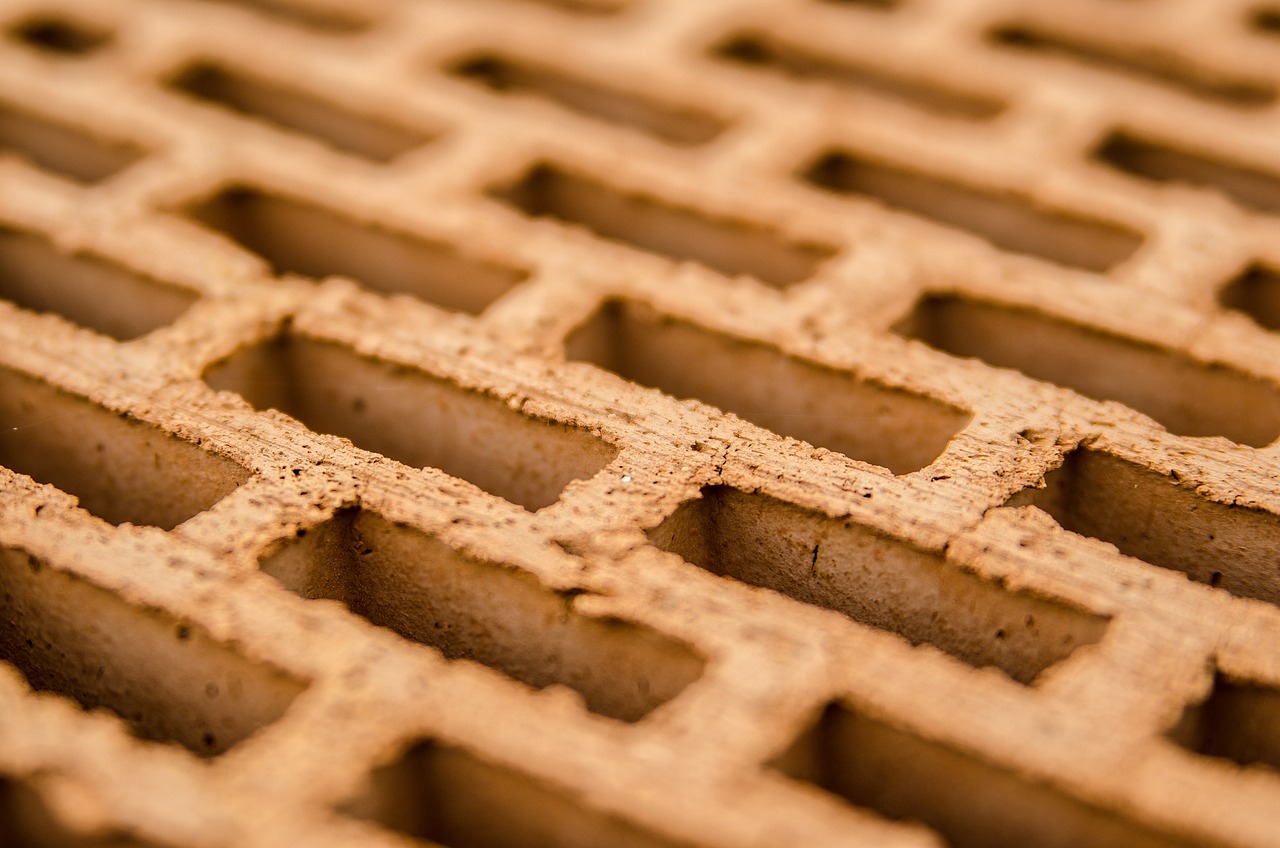
In the construction process, the contractor should employ advanced techniques such as caulk or foam sealing. These methods ensure a tight seal around windows, doors, and other penetrations, preventing air infiltration. Using low-permeability materials and proper weatherstripping can significantly enhance the energy efficiency of the ADU. By adhering to these practices, property owners can expect not only a comfortable living space but also a reduction in their carbon footprint, aligning with the environmental goals of many ADU installations and the legal ADU requirements set by local building departments and zoning laws.
Advanced Heating & Cooling Systems for ADUs
Advanced heating and cooling systems are a crucial component of energy-efficient ADU design, contributing to both comfort and sustainability. As the process evolves to incorporate more eco-friendly solutions, property owners and builders are increasingly exploring innovative ways to heat and cool these additional living spaces. One of the key benefits of this approach is the potential for significant energy savings, which not only reduces utility costs but also minimizes the environmental footprint of the property.
High-efficiency furnaces and heat pumps are becoming popular choices for ADUs. These systems can deliver superior heating and cooling performance while consuming less energy than traditional models. By integrating smart thermostats and zoning controls, homeowners can further optimize energy use, ensuring that each room is maintained at the desired temperature only when needed. This not only enhances energy efficiency but also fosters long-lasting adu relationships by providing consistent comfort throughout the year. The use of ductless mini-split systems is gaining traction, especially in smaller ADUs, due to their compact size, ease of installation, and exceptional energy efficiency.
In the event of an emergency adu building scenario, prioritizing energy-efficient systems is still paramount. Efficient heating and cooling not only ensures the comfort and safety of occupants during critical situations but also reduces the strain on backup power sources. Low-cost ADU solutions, such as utilizing natural ventilation and passive solar heating, can be integrated into the design to further minimize energy consumption. These strategies not only promote energy independence but also contribute to the overall resilience of the property. By adopting advanced heating and cooling systems, Processs can evolve to meet the demands of modern living while respecting environmental considerations.
Monitoring & Upgrading ADU Energy Performance
Monitoring and upgrading energy performance is a critical aspect of sustainable ADU design and construction. Once the initial energy-efficient features are integrated into the ADU during the construction process, ongoing monitoring ensures that these measures remain effective over time. Property owners and builders should regularly assess energy usage, identifying areas for improvement and potential upgrades. This proactive approach can significantly reduce utility costs and environmental impact, making the ADU a model of efficient living.
Reliable ADU renovation services can provide expert guidance on monitoring energy performance. These professionals can install smart meters and energy-tracking software to gather real-time data on electricity and gas consumption. By analyzing this data, they can pinpoint inefficiencies, whether it's poor insulation, outdated appliances, or inefficient lighting. A thorough audit might reveal that a poorly sealed attic or drafty windows are leading to significant heat loss in winter, necessitating targeted insulation upgrades and window replacement.
Energy-efficient ADU tips include regularly replacing air filters, which can improve indoor air quality and reduce energy consumption. Upgrading to LED lighting and appliances that carry the ENERGY STAR label can substantially cut energy costs. Professional ADU construction services often stay abreast of the latest energy-saving technologies and materials, incorporating them into renovation projects to maximize efficiency. This may include using advanced insulation materials, high-performance windows, or solar panels, further reducing the ADU's carbon footprint and providing long-term financial savings for the homeowner.
Frequently Asked Questions About Best Practices for Energy-Efficient ADU Design and Insulation
What are the key energy-saving considerations when designing an ADU (Accessory Dwelling Unit) in a historic district?
When designing an ADU in a historic district, focus on preserving the building's character while incorporating energy efficiency. This includes using traditional construction methods and materials where possible, and ensuring the insulation and air sealing meet modern standards without altering the building's historic integrity. Consider high-performance windows and doors, and strategically place insulation in walls, roofs, and floors. A professional energy audit can help identify specific improvements tailored to the building's unique features.
How can I ensure proper insulation in an ADU, especially in attics and hard-to-reach spaces?
Proper insulation in attics and hard-to-reach spaces is crucial. Use blow-in insulation for hard-to-reach areas, ensuring it's installed by a professional to achieve the correct density. For attics, consider reflective barriers under the insulation to reduce heat gain in warmer months. Also, make sure to seal around all penetrations and use appropriate insulation types based on the local climate and the building's age. Regular maintenance and inspections can help preserve the insulation's effectiveness.
What role does ventilation play in energy-efficient ADU design?
Ventilation is essential for maintaining indoor air quality and preventing mold growth. Design your ADU to incorporate adequate natural ventilation through strategically placed windows and vents. In warmer months, this can help reduce the need for air conditioning. For year-round efficiency, consider a mechanical ventilation system that recovers heat from exhaust air, providing a balanced and comfortable indoor environment while minimizing energy loss.
Are there specific codes or regulations I should be aware of for energy-efficient ADU construction in my area?
Absolutely. Familiarize yourself with local building codes and energy efficiency standards. Many cities have specific requirements for energy-efficient construction, including minimum insulation levels, air sealing standards, and heating/cooling system efficiency ratings. Check with your local building department and consider consulting a professional builder experienced in sustainable construction practices to ensure compliance. Staying up-to-date with these regulations is crucial for a successful and energy-efficient ADU project.
How can I fund an energy-efficient ADU project, considering the upfront costs?
Funding options for energy-efficient ADU projects include government incentives, grants, and low-interest loans. Research federal, state, and local programs offering financial assistance for energy-efficient renovations. Some programs provide direct financial aid, while others offer tax credits or rebates. Consider partnering with a financial institution for a loan tailored to your project's needs. Long-term energy savings can often offset the upfront costs, making energy-efficient ADUs a smart investment.
As we've explored the best practices for energy-efficient ADU design and insulation, the article has underscored the crucial role of strategic planning, advanced construction techniques, and eco-friendly materials in the process. By implementing optimized insulation strategies, choosing green building materials, and employing effective air sealing techniques, we can significantly reduce energy consumption in ADUs. Integrating advanced heating and cooling systems ensures optimal comfort while minimizing environmental impact. Monitoring and upgrading energy performance throughout the process and beyond allows for continuous improvement and greater sustainability.
The key takeaways are clear: energy efficiency in ADUs is not just an environmental imperative; it's a practical, cost-effective approach that enhances comfort and property value. By following these guidelines, builders, designers, and property owners can contribute to the growing trend of sustainable living in historic districts, setting a new standard for eco-friendly ADU construction.
Optimizing the process involves integrating energy-efficient design, insulation, and renewable energy sources. Understanding local codes and consulting specialists ensures compliance and maximum energy savings. Using sustainable materials, air sealing, and advanced HVAC systems creates a comfortable, efficient, and attractive rental property. Regular monitoring and upgrades maintain energy performance, reducing utility costs and environmental impact.