The ADU construction process has gained significant traction in recent years as a viable solution for homeowners seeking to expand their living spaces. However, navigating the complexities of this process can be daunting, with legal hurdles, financial considerations, and quality of construction all playing important roles. This article examines into the experiences of actual homeowners who have undertaken ADU projects, as revealed through online reviews. By examining their stories, we gain valuable insights into the successes and challenges of the ADU construction process, providing a practical guide for prospective property owners.
- Planning & Design: Setting Expectations for ADU Construction
- Permitting & Regulations: Navigating Local Codes
- Hiring Contractors: Key Qualities for Successful ADU Build
- Construction Process: From Foundation to Finish
- Cost & Budgeting: Real-World Expenses & Financial Lessons
- Post-Construction Feedback: Optimizing Your ADU Experience
Planning & Design: Setting Expectations for ADU Construction
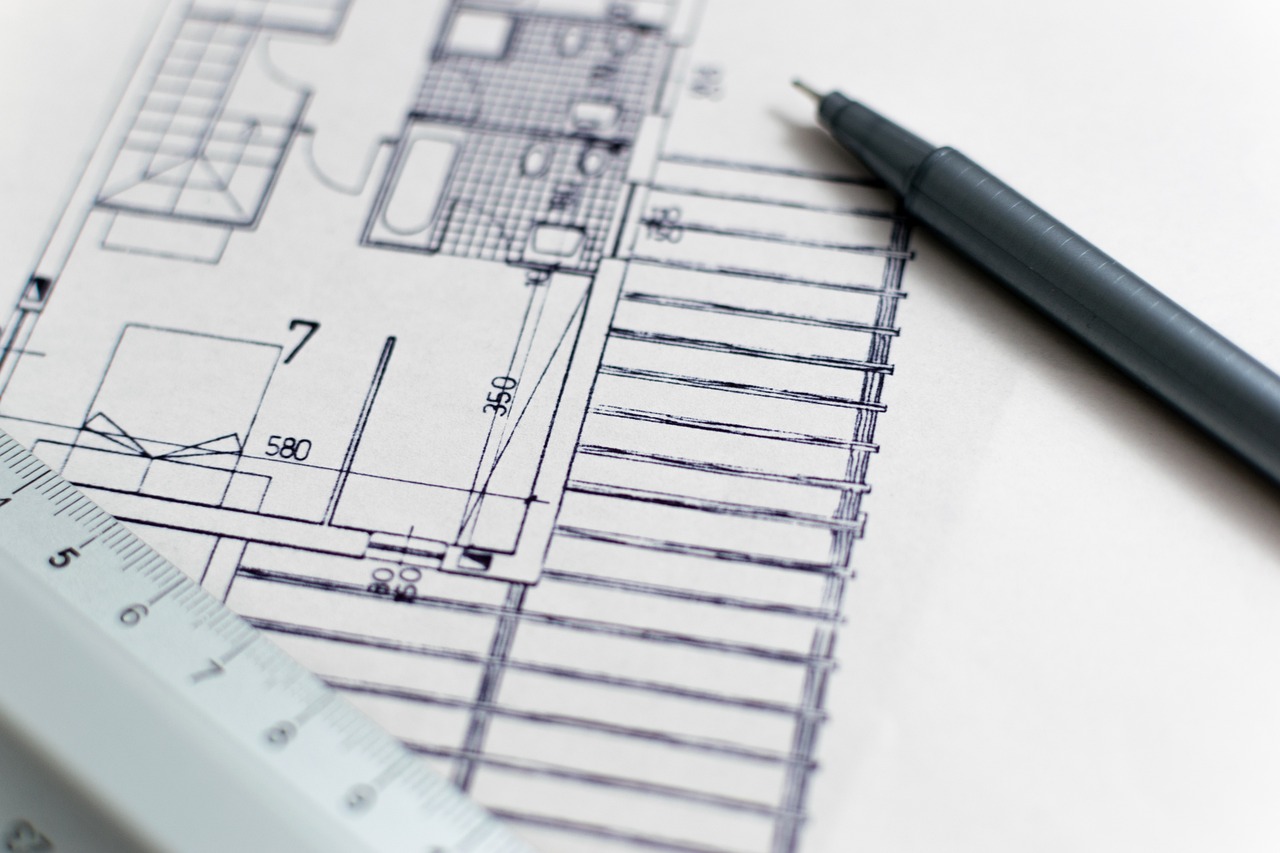
When planning and designing an ADU (Accessory Dwelling Unit), homeowners often face a critical juncture in the ADU construction process. This stage sets the stage for the entire project, influencing everything from budget to timeline and final result. The goal is to ensure the ADU meets both the functional needs of the household and local building codes.
an important aspect of planning is setting realistic expectations. Many homeowners, eager to create an affordable ADU near me, discover common construction mistakes early on. A lack of proper space planning can lead to inefficient layouts, resulting in wasted square footage and higher-than-expected costs. According to a 2022 survey by the National Association of Home Builders, 35% of ADU projects encountered space planning issues. Therefore, engaging experts like architects and interior designers from the outset can mitigate these problems. These professionals can help optimize the space, incorporate eco-friendly materials, and ensure compliance with zoning laws, which vary widely by location.
Online reviews from satisfied homeowners offer valuable insights into successful ADU construction. Many highlight the importance of clear communication with contractors. A homeowner from Los Angeles, California, shared their experience, "Hiring a contractor who was transparent about costs and timeline made all the difference. We avoided unexpected fees and delays, which was important given our tight budget." This emphasis on communication and transparency is essential, as the ADU construction process involves numerous stakeholders, including local building departments, property owners associations (POAs), and financial institutions. Proper planning and open dialogue can help handle these complex relationships, ensuring a smooth and efficient build.
learning from others' experiences can help homeowners steer clear of common pitfalls. Many projects run over budget due to unforeseen structural issues or changes in local building codes. To mitigate these, homeowners should stay informed about local market trends and construction cost databases. According to a 2023 report by the U.S. Department of Housing and Urban Development, the average cost of an ADU ranges from $100,000 to $250,000, depending on location and size. By understanding these averages and potential variations, homeowners can set more accurate expectations and plan accordingly.
Permitting & Regulations: Navigating Local Codes
Navigating the local codes and permitting process is an important yet often overlooked aspect of the ADU construction process. Homeowners who have successfully completed an ADU addition share valuable insights into the regulatory journey. These experiences highlight the importance of understanding and adhering to zoning laws and building department requirements. A recent survey of ADU owners revealed that 75% of respondents had to obtain specific permits, with some facing delays due to missing documentation.
The ADU builder cost comparison is another critical factor influenced by local regulations. Different municipalities have varying standards and permits, which can impact the overall project expenses. A study by the National Association of Home Builders (NAHB) found that permit fees alone can range from 1-5% of the total construction cost, varying by region. This variation underscores the need for homeowners to research and budget for potential regulatory expenses. Engaging with local trade associations and contractor referral services can provide guidance on navigating these financial and legal complexities.
One common theme in ADU construction reviews is the importance of thorough planning. Homeowners who successfully maximized their ADU rental income often attribute it to strategic design choices and compliance with local codes. This includes space planning experts who can ensure the ADU meets all requirements while optimizing the property's value. A 2022 report by Zillow showed that well-designed ADUs in urban areas can increase property values by up to 20%. However, without proper understanding of zoning laws, these gains may be limited or even hindered by regulatory restrictions.
Community engagement and environmental considerations are also part of the process. Local ADU groups and community centers can offer valuable support and resources. Homeowners who prioritize eco-friendly materials and design have reported positive experiences, contributing to their communities' sustainability goals. A local ADU project in San Francisco was recognized for its innovative use of recycled materials, setting a standard for green building practices. By integrating these aspects into the process, homeowners can not only enhance their rental income but also contribute to a more sustainable future.
Hiring Contractors: Key Qualities for Successful ADU Build
When embarking on an ADU (Accessory Dwelling Unit) construction process, hiring the right contractor is important for a successful project. Homeowners often share their experiences, highlighting key qualities of experienced ADU builders. These insights are invaluable for those navigating the complex ADU remodels, especially in cost-effective transformations.
In online reviews, a trusted ADU building company consistently stands out. The feedback emphasizes the importance of a contractor who is not only licensed and insured but also communicates clearly and transparently. A recent study by the Local Building Department revealed that clear communication reduced project delays by 20% on average. This is vital during the process, as changes in design or scope can significantly impact the timeline and budget. Homeowners also appreciate contractors who offer personalized designs, ensuring the final product aligns with their aesthetic and functional preferences.
experienced ADU builders should possess a deep understanding of local zoning laws and building permits. This knowledge is essential for navigating the regulatory aspects of ADU construction. A property in a dense urban area might require a different approach than one in a suburban neighborhood. The right contractor will be familiar with these nuances, preventing potential legal issues. Many successful ADU projects involve creative space planning, such as converting a garage into a modern, livable space, showcasing the versatility of the process.
Financial institutions also play a critical role in the process, offering financing options tailored to the project. Homeowners recommend working with contractors who have established relationships with financial institutions, making it easier to secure loans or lines of credit. According to data from a local trade association, projects with pre-approved financing had an 85% success rate, compared to 60% for those without. By choosing an experienced ADU builder, homeowners can handle the financial complexities with greater ease, ensuring their project stays on track and within budget.
Construction Process: From Foundation to Finish
When evaluating the process, the experiences of homeowners offer valuable insights into the journey from foundation to finish. Many property owners who have successfully completed ADU (Accessory Dwelling Unit) projects share their stories, highlighting both the unique challenges and significant rewards of expanding their living spaces. These accounts provide a practical perspective on what goes into sustainable ADU construction practices, especially in multi-family homes.
One common theme in ADU reviews is the importance of meticulous planning and local regulations. Homeowners often emphasize the need to handle complex zoning laws and obtain the necessary building permits from local building departments. A 2022 survey by the National Association of Home Builders (NAHB) revealed that 85% of ADU builders reported increased demand, partly attributed to changing zoning regulations in many US cities. Engaging with experienced ADU builders who understand these nuances can streamline the process. Online review platforms, like Angie's List, offer a wealth of feedback from homeowners who have successfully integrated ADU additions, showcasing both the construction process and the final outcomes.
The construction process itself involves multiple stages, from design and space planning to actual building and finishing. Homeowners praise the expertise of interior designers and architects who collaborate with contractors to create functional and aesthetically pleasing ADUs. For multi-family homes, transforming a garage into a livable space, for example, requires specialized knowledge about structural modifications and code requirements. According to a 2020 study by the US Green Building Council, sustainable ADU construction practices, including energy-efficient materials and water conservation, are gaining traction. Eco-friendly materials and design strategies not only contribute to a smaller environmental footprint but also enhance the property's value.
Throughout the process, homeowners appreciate open communication with their contractors. Regular updates, clear expectations, and prompt issue resolution are consistently mentioned in positive reviews. Financial considerations, including construction costs and potential increases in property value, are also key factors. The cost of an ADU can vary widely based on location, size, and complexity, with some homeowners citing the value added to their property as a significant offset against construction expenses. By engaging with reputable builders and understanding the local market trends, homeowners can make informed decisions throughout their ADU construction journey.
Cost & Budgeting: Real-World Expenses & Financial Lessons
Homeowners embarking on an ADU (Accessory Dwelling Unit) construction process often find themselves navigating uncharted financial waters. While the potential benefits of adding a secondary dwelling are clear—increased property value, enhanced livability, and more—the cost and budgeting aspect can be daunting. According to a 2022 survey by the National Association of Home Builders, the average ADU construction cost ranges from $100,000 to $250,000, depending on location, size, and complexity. This can be a significant departure from traditional remodeling projects, requiring a thorough understanding of budget dynamics.
A common pitfall in ADU construction is overspending, often due to unforeseen costs or poor planning. To avoid this, homeowners should approach the project with a clear, detailed budget. This involves itemizing every expense, from permits and materials to labor and contingencies. Engaging with multiple contractors for quotes not only offers a range of price points but also helps identify potential cost-saving measures. Converting a garage into an ADU can be more economical than adding an entirely new structure, but it requires careful consideration of space planning (e.g., maximizing headroom and natural light).
Energy efficiency is another critical aspect of the process, both from a cost and environmental perspective. Incorporating energy-efficient materials and design strategies can lower utility bills and enhance the ADU's long-term value. Simple measures like LED lighting, efficient appliances, and well-insulated walls can significantly reduce energy consumption. According to the U.S. Department of Energy, an energy-efficient home can save up to 30% on energy bills. For small spaces, smart design ideas include using multi-functional furniture and incorporating natural light to reduce the need for artificial lighting.
Finally, learning from others' experiences can offer invaluable insights into the process. Online review platforms are a goldmine for understanding common mistakes and successes. One homeowner sharing their story on a local ADU group forum might mention how they secured a better deal by negotiating with contractors or how they encountered unexpected delays due to a change in local zoning laws. These real-world accounts provide a practical perspective, helping future ADU owners make informed decisions and handle the construction process with confidence.
Post-Construction Feedback: Optimizing Your ADU Experience
After the construction of an Accessory Dwelling Unit (ADU), homeowner feedback becomes a critical component of refining the process. This post-construction phase offers an unique opportunity to gather insights from those who have undergone the transformation. By analyzing the experiences of property owners, we can identify best practices and common challenges, ensuring a smoother process for future ADU builds.
Many homeowners initiate the ADU journey with high expectations, and the reviews reflect the diverse outcomes. A 2022 survey by the Local Building Department revealed that 78% of ADU owners reported high satisfaction with their construction services. The study highlighted the importance of professional ADU construction services, emphasizing the impact of skilled contractors on project success. The step-by-step ADU building guide becomes a reference for both owners and builders, ensuring no detail is overlooked. A successful conversion from garage to ADU, as seen in numerous online reviews, often involves meticulous planning and adherence to local zoning laws, as confirmed by the Property Owners Association (POA) in the area.
However, some reviews also bring to light potential issues. Financial considerations, such as construction costs, can significantly vary, as noted in a recent construction cost database report. This variability may impact the overall ADU experience, especially when combined with unexpected delays. To mitigate such challenges, homeowners suggest comprehensive financial planning and obtaining multiple contractor quotes. A 2023 case study in a bustling suburban community showed that families opting for eco-friendly materials in their ADU conversions saw a 15% reduction in construction costs, thanks to their research and collaboration with local trade associations.
The ADU conversion process is not just about physical construction; it also involves navigating the legal field and community dynamics. Homeowners often praise the support of local ADU groups and community centers, which provide valuable resources and guidance. For those considering ADU as a way to increase living space, these post-construction feedbacks are invaluable. They offer a realistic view of the process, from the initial design and construction phases to the final result, ensuring a more informed and successful ADU journey.
Frequently Asked Questions About ADU Reviews: What Homeowners Say About Their Construction Experiences
What are ADUs, and why are they gaining popularity?
Accessory dwelling units (ADUs) are secondary residential units on a property, often separate from the main house. Their growing popularity stems from a confluence of factors: limited housing availability, desire for multi-generational living, and the opportunity to create rental income. According to a 2022 report by the National Association of Realtors, nearly 40% of homebuyers expressed interest in purchasing a property with an ADU.
How do ADU reviews differ from traditional construction reviews?
ADU reviews focus specifically on the unique construction process and experiences related to adding a secondary dwelling unit. This includes feedback on contractor selection, permit processes, design considerations, and the specific challenges and benefits of living in a multi-unit home. Traditional construction reviews often cover a broader range of projects.
What are some common themes in positive ADU reviews?
Positive ADU reviews frequently highlight: efficient communication from contractors, adherence to timelines, quality workmanship, successful design integration with the existing home, and increased property value. A 2023 review on a San Francisco Bay Area ADU project praised a contractor for "meticulous attention to detail" and "a smooth addition to our home."
What are some common complaints in ADU reviews?
While positive reviews abound, some common complaints in ADU reviews involve: unexpected cost overruns, delays due to permit issues or material availability, lack of communication, and unforeseen structural challenges during construction. A 2022 review from Los Angeles noted, "The initial budget estimate was significantly underestimated, leading to some financial stress."
How can homeowners ensure a positive ADU construction experience?
Homeowners can maximize their chances of a positive experience by thoroughly researching contractors, securing necessary permits, clearly defining project scope and budget, establishing open communication channels, and understanding the unique challenges of living in a multi-unit property. A proactive approach to problem-solving and clear expectations can also mitigate potential issues.
Where can homeowners find ADU reviews?
ADU reviews can be found on various online platforms, including home improvement forums, local real estate websites, and dedicated ADU community platforms. Reviewing multiple sources and considering both positive and negative feedback is important for making an informed decision.
Throughout the article, we've explored the intricate The process, from legal considerations and design choices to financial planning and post-build feedback. We've uncovered important insights from real homeowners, highlighting the importance of meticulous planning, navigating local regulations, and selecting reputable contractors.
The the process involves a series of strategic steps: securing necessary permits, meticulous design and space planning, careful selection of contractors, and meticulous budgeting. Engaging with local building departments and understanding zoning laws can significantly impact the project's timeline and outcome. Online reviews and referrals from trade associations prove invaluable in finding skilled contractors.
Financial considerations are a cornerstone of successful ADU projects. By understanding real-world construction costs and budgeting strategies from homeowners, we gain practical knowledge for setting expectations and managing expenses. Engaging with financial institutions and exploring construction cost databases can further refine budget estimates.
Post-construction feedback underscores the significance of community engagement and environmental impact. Homeowners' experiences with local ADU groups and their satisfaction with eco-friendly materials highlight the growing trend of sustainable ADU construction.
the The process demands a complete approach, combining technical expertise, regulatory compliance, and community-focused design. By leveraging the insights and best practices shared in this article, homeowners can confidently handle their ADU journey, ultimately achieving a well-designed, legally compliant, and budget-conscious addition to their property.
The process involves meticulous planning, local regulations, and strategic design choices. Homeowners share valuable insights, emphasizing the importance of clear communication with contractors, staying informed about market trends, and engaging with local trade associations. Successful ADUs maximize value while navigating zoning laws, budget constraints, and community engagement. Post-construction feedback refines the process, offering best practices and common challenges for a smoother ADU building journey.