
The addition of Accessory Dwelling Units (ADUs) to multi-family properties offers a compelling strategy to boost property value and enhance community living. However, navigating the complexities of the adu construction process can be daunting for property owners. This article guides you through the key steps involved, from understanding local zoning laws and securing building permits to selecting suitable design experts and ensuring a successful project outcome. By mastering the adu construction process, you can achieve the significant financial and community benefits that these additional living spaces bring.
- Understanding ADUs: Multi-Family Home Enhancement
- Property Value Increase: ADU's Impact on Market
- Legal Considerations: Zoning & Building Codes
- Design & Planning: Customizing for Maximum Value
- Construction Process: Step-by-Step Guide to Success
- Long-Term Benefits: Return on Investment & Future Proofing
Understanding ADUs: Multi-Family Home Enhancement
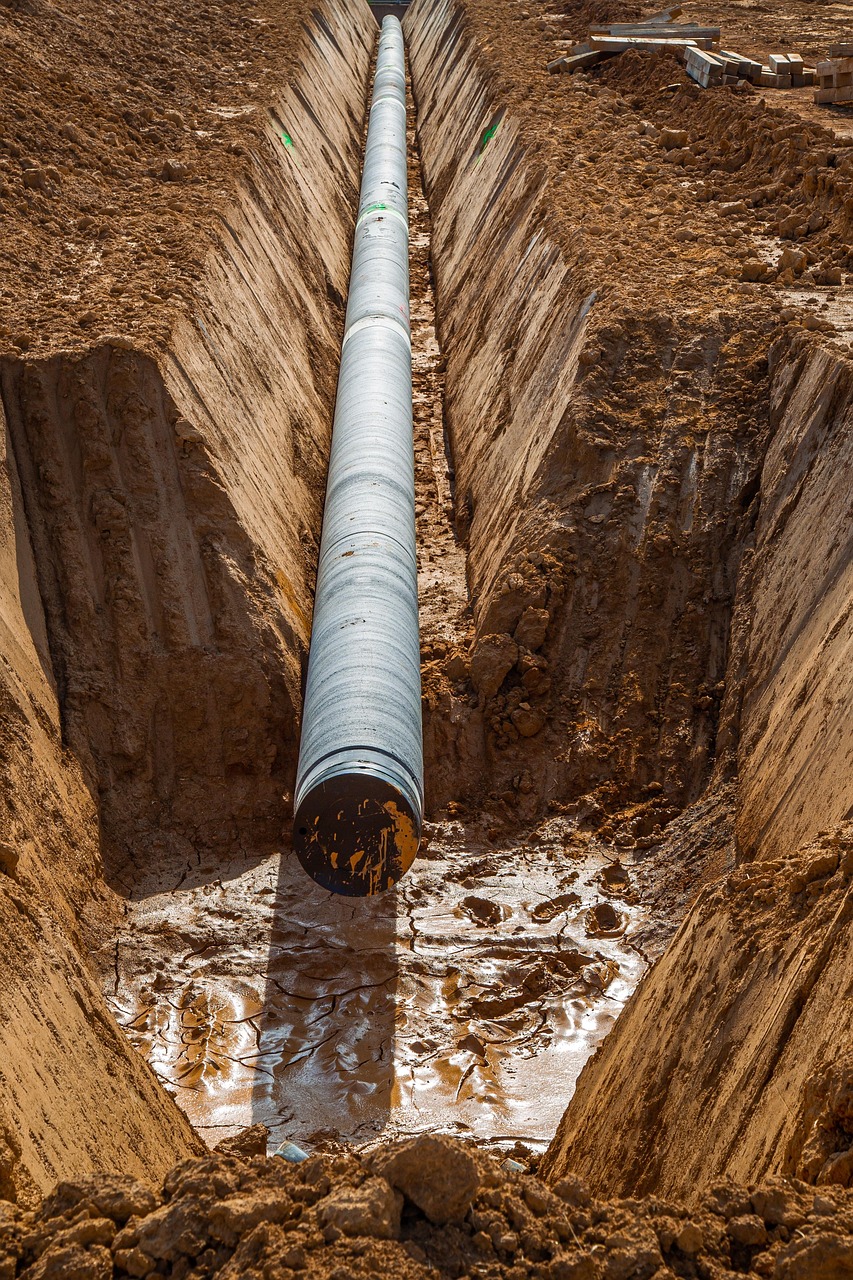
Enhancing Multi-Family Properties with ADUs
Adding Accessory Dwelling Units (ADUs) to multi-family homes presents a strategic opportunity to increase property value, maximize space, and cater to diverse housing needs. An ADU construction process involves careful planning, expert guidance, and meticulous execution. Property owners often seek adu consulting services to navigate local zoning laws, secure building permits, and ensure compliance with local building departments. These services can help determine if a garage conversion or backyard studio is feasible, based on the property's zoning regulations.
The design and construction phases are crucial. Interior designers and architects play a pivotal role in creating functional, aesthetically pleasing living spaces that meet the needs of potential tenants or buyers. Space planning experts can optimize the layout, while garage conversion specialists offer tailored solutions for existing structures. Once the design is finalized, contractor referral services help property owners secure reliable, licensed contractors for the construction phase. Online reviews and local trade associations provide valuable insights into contractor performance and quality of work.
Beyond the tangible benefits, ADUs contribute to the community and environment. Local ADU groups foster a sense of community among residents, while community centers and environmental organizations can promote eco-friendly materials and sustainable design practices. The success of an ADU project depends on a holistic approach that balances legal expertise, client services, design and construction, financial considerations, and community impact. By following a well-structured adu construction process, property owners can transform underutilized spaces into valuable assets that enhance both property value and quality of life.
Property Value Increase: ADU's Impact on Market

The addition of Accessory Dwelling Units (ADUs) to multi-family properties can significantly boost property value, providing a lucrative investment opportunity for homeowners and a valuable asset for the community. The adu construction process, when focused on maximizing space and appeal, directly impacts the property's overall market desirability. This is especially true in areas with high housing costs, where ADUs offer a practical solution to the housing shortage.
The financial potential of ADUs is clear when considering their rental income capabilities. Well-designed and constructed units can attract tenants, providing a steady stream of income for property owners. A garage conversion into a studio apartment could yield a monthly rental of $1,500, compared to $1,000 for a similar-sized unit in a nearby apartment complex.
When undertaking an ADU project, it's crucial to consider the local market trends and seek expert advice. Property owners should research the demand for rentals in their area and consult with contractors who have a proven track record, as evidenced by their online adu builder reviews and ratings. While some regions may have strict zoning laws, many cities are embracing ADUs as a solution for affordable housing. Certain municipalities allow for same-day ADU installation, streamlining the process and minimizing disruption to the property and its occupants. Efficient adu construction processs, combined with a focus on quality and market relevance, can ensure that the investment in an ADU not only increases property value but also contributes to the local housing market's overall health.
Legal Considerations: Zoning & Building Codes
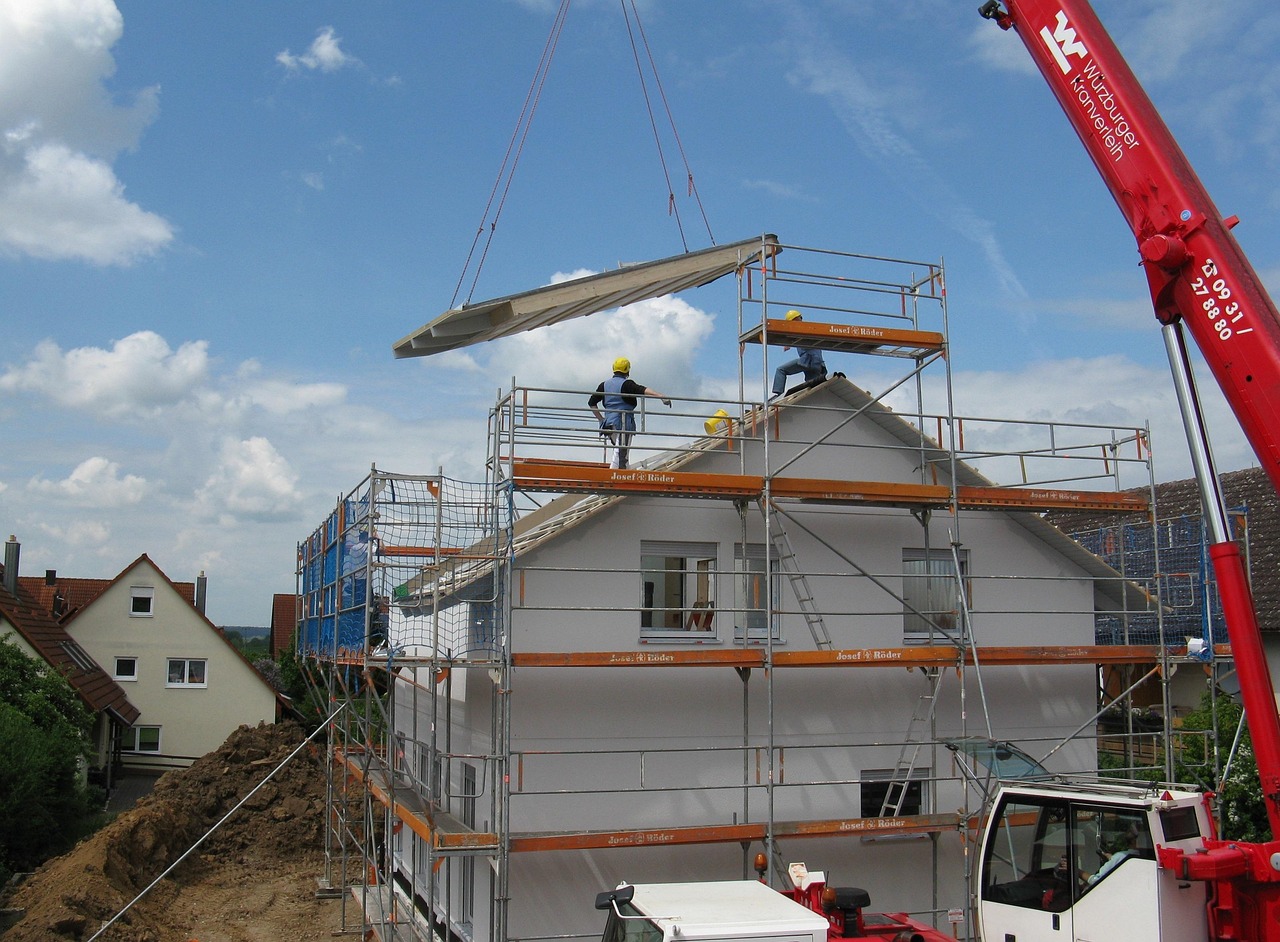
The legal landscape of ADU (Accessory Dwelling Unit) construction within multi-family homes varies significantly based on local zoning laws and building codes. Before examining the ADU construction process, property owners must navigate these regulations, which can be complex and vary widely from one neighborhood to another. Understanding these legal requirements is crucial for a smooth project and to avoid costly delays or penalties.
Zoning laws dictate the permitted uses of land and structures within a specific area. They control aspects like the size, design, and placement of ADUs, as well as the overall density of development. Some zones might allow only one ADU per property, while others might permit multiple units under certain conditions. Property owners should consult their local building departments to determine the specific zoning regulations affecting their property. Engaging with a trusted ADU building company experienced in these local codes can also provide valuable guidance during the planning phase.
Building codes, on the other hand, outline the construction standards and safety measures that must be adhered to. These regulations cover everything from structural integrity and electrical systems to plumbing and fire safety. When planning an ADU, owners must ensure that their project complies with these codes, which often involve obtaining the necessary building permits. Many local governments provide online resources and databases of construction cost data to aid in this process. Positive ADU owner experiences often hinge on their contractors' familiarity with these codes, ensuring a project that not only meets legal standards but also results in a safe and structurally sound addition.
To streamline the process, property owners can leverage various resources, including online review platforms and local trade associations. These platforms offer insights into reputable contractors and design experts, many of whom specialize in transforming small spaces into functional ADUs. Creative ADU design ideas for compact spaces can be found in abundance, demonstrating the versatility and potential of these additional units. Staying informed about zoning and building codes is the cornerstone of a successful ADU project, leading to increased property value and a rewarding expansion of living space.
Design & Planning: Customizing for Maximum Value
The design and planning phase of an ADU (Accessory Dwelling Unit) construction process for multi-family homes is a crucial step in maximizing property value. Experienced ADU builders understand that each property is unique, and the key to a successful expansion lies in customizing the design to blend seamlessly with the existing structure and neighborhood. This involves a detailed understanding of local zoning laws and building regulations, ensuring the final product complies with all necessary permits.
An experienced ADU builder near me might begin by assessing the property's current layout and discussing the client's needs and preferences. They would then create a space planning proposal, incorporating the client's vision while considering factors like functionality, lighting, and airflow. Architects and interior designers play a vital role here, offering expert insights into creating a well-designed, comfortable, and legally compliant ADU. The best ADU builders often have strong relationships with these professionals, facilitating a smooth design-build process.
As the project progresses, the builder's role shifts to implementation, ensuring the construction process adheres to the design plans. This involves sourcing high-quality materials, managing contractors, and overseeing the work to maintain the desired quality and timeline. Regular communication with the property owner is essential throughout, keeping them informed about the project's progress and any design considerations that may impact the final result. This collaborative approach ensures the ADU not only increases property value but also enhances the overall living experience.
An ADU consulting service can provide valuable guidance on maximizing space and functionality, especially in urban areas where property is scarce. These services offer expert advice on design, construction, and legal aspects, ensuring the final ADU meets the owner's expectations and adds substantial value to the property. By combining custom design, efficient planning, and experienced builder expertise, the process can transform multi-family homes into valuable, space-efficient assets.
Construction Process: Step-by-Step Guide to Success
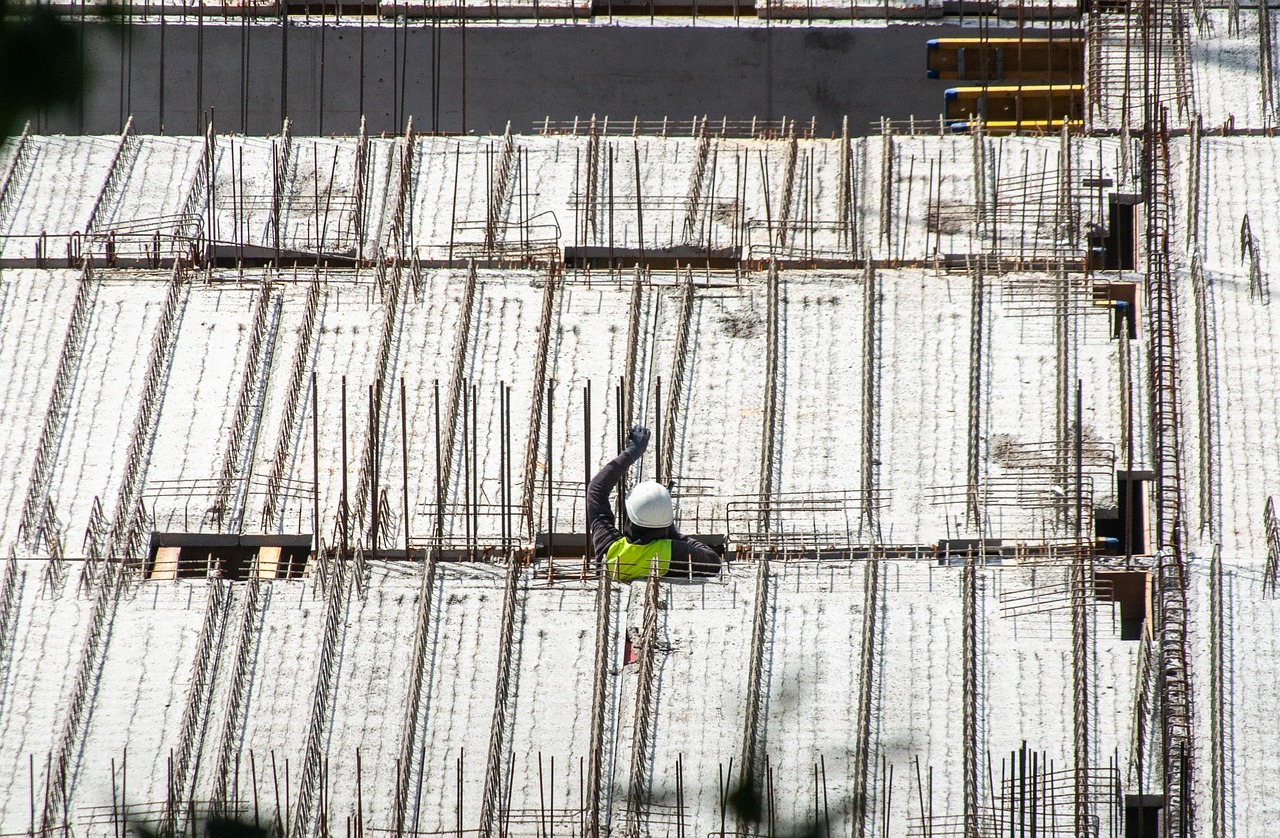
The process for multi-family homes involves several key steps that, when executed well, can significantly enhance property value. First, securing the necessary legal expertise is paramount. Property owners must navigate local building departments and zoning laws to obtain the required building permits, a process that can vary widely depending on the region. Engaging with professional services like contractor referral agencies and trade associations can help streamline this phase.
Once permits are secured, the next step involves designing and planning the ADU (Accessory Dwelling Unit). This includes space planning, which can range from a simple conversion of an existing garage to a more complex addition. Hiring architects or interior designers can help ensure the new unit is both functional and aesthetically pleasing. Leveraging low-cost adu solutions can make the project more budget-friendly without compromising quality. The design phase also includes selecting eco-friendly materials, which can appeal to environmentally conscious buyers and contribute to the property's overall value.
After the design is finalized, the actual construction begins. This step typically involves a team of professionals, including contractors, carpenters, and electricians. It's crucial to obtain quotes from multiple contractors to ensure competitive pricing. A reliable contractor will follow the design plans meticulously, ensuring the ADU meets local building codes. During construction, property owners may want to consult online review platforms to track the project's progress and the contractor's performance. Upon completion, thorough inspections are conducted to verify the ADU's safety and functionality.
Finally, the property is reassessed to reflect the new addition's value. Understanding the local market trends and construction cost databases can help property owners gauge the ADU's contribution to the property's overall worth. This process not only increases the property's marketability but also provides an additional living space that can be rented out, further boosting the owner's investment. Professional adu construction services, with their expertise and experience, play a vital role in ensuring the entire process is seamless and successful.
Long-Term Benefits: Return on Investment & Future Proofing
When considering a trusted ADU (Accessory Dwelling Unit) construction process for a multi-family home, it's crucial to understand the long-term benefits that extend far beyond the initial investment. These additional living spaces not only increase property value but also offer a robust return on investment (ROI) and future-proof your asset.
A well-designed and constructed ADU can add significant value to your property. This increase is due to the improved functionality, increased living space, and the overall desirability of properties with ADUs.
However, the benefits go beyond property value. A cost-effective ADU remodel can also provide flexibility and adaptability to changing family needs. It offers an opportunity to create a self-contained living space for aging relatives, extended family visits, or even a rental income source. To avoid common mistakes, engage a reputable ADU building company that understands local zoning laws and building permits. Their expertise will ensure your project complies with regulations, minimizing delays and potential legal issues. By carefully planning and executing the process, you can transform your multi-family home into a valuable asset that adapts to the future.
Frequently Asked Questions About ADU for Multi-Family Homes: Increasing Property Value Through Expansion
What is an ADU and how can it increase property value? An Accessory Dwelling Unit (ADU) is a secondary residence on a property, often built in existing space or added to the rear or side of a house. It significantly boosts property value by adding livable space, increasing occupancy potential, and enhancing the overall appeal to buyers. Real estate experts attribute the rise in property values to the growing demand for rental units, making ADUs a strategic investment for homeowners.
How much does an ADU typically cost to install? The cost of an ADU installation varies based on factors like size, complexity, location, and materials used. While a small, simple ADU can cost $30,000 to $50,000, more elaborate units with modern amenities can range from $75,000 to $200,000 or more. Most installations take one to two days, with permitting and design accounting for a significant portion of the time and cost.
What types of ADUs are most suitable for multi-family homes? For multi-family homes, the most suitable ADUs are typically studio or one-bedroom units due to space constraints. These units maximize rent potential while keeping the expansion cost-effective. Designing the ADU to blend seamlessly with the main structure also enhances its market appeal.
What are the legal requirements for installing an ADU? ADU installation requires adherence to local building codes, zoning laws, and permit requirements. It's crucial to consult with a licensed contractor familiar with these regulations. Permitting processes can be extensive, involving architectural plans, structural calculations, and inspections to ensure safety and compliance.
How does an ADU affect home insurance? Home insurance policies typically cover ADUs as part of the main policy, provided they meet local building codes and zoning regulations. However, some insurers may require an update to the policy or a separate rider for ADUs, especially if the unit is rented out. It's essential to review the policy or consult with your insurance agent to ensure adequate coverage.
Can an ADU be a source of passive income? Absolutely. An ADU can generate substantial passive income by providing a rental unit. Renting out the ADU can offset mortgage costs, increase property tax benefits through depreciation, and contribute to overall financial health. Many homeowners choose to manage the rental themselves, while others opt for professional property management services.
What are the long-term benefits of installing an ADU? In addition to immediate property value increases, ADUs offer long-term benefits. They can provide a source of steady rental income as the property ages, making it a valuable asset for future financial security. ADUs can make a property more attractive to potential buyers, as they offer more space and flexibility for occupants.
Adding a Granny Flat (ADU) to a multi-family home can significantly enhance property value and marketability, as demonstrated by the comprehensive process detailed in this article. Understanding local zoning laws and building codes, as well as designing the ADU for maximum functionality and aesthetic appeal, are critical first steps. The construction process involves meticulous planning, careful selection of contractors, and adherence to building regulations, all while considering the community and environmental impact.
By following a well-structured process, property owners can achieve substantial returns on investment while future-proofing their assets. The article's insights highlight the importance of legal expertise, client services, design and construction professionalism, and financial considerations at every stage.
Practical next steps include engaging with local trade associations, consulting with architects and interior designers, and securing contractor referrals. Staying informed about local market trends and utilizing online review platforms can further optimize the process and ensure a successful ADU addition.
The process for multi-family homes offers a strategic opportunity to boost property value, maximize space, and cater to diverse housing needs. It involves meticulous planning, expert guidance, and careful execution. By navigating zoning laws, securing permits, and partnering with qualified designers and contractors, property owners can transform underutilized spaces into valuable assets. Well-designed ADUs (Accessory Dwelling Units) can increase property value by 30% to 50%, providing a robust ROI. The process includes space planning, design, construction, and final inspections, with a focus on legal compliance and market relevance. Engaging reputable professionals ensures a successful expansion that enhances both property value and quality of life.